
The courage to speak: One woman’s journey from trauma to freedom
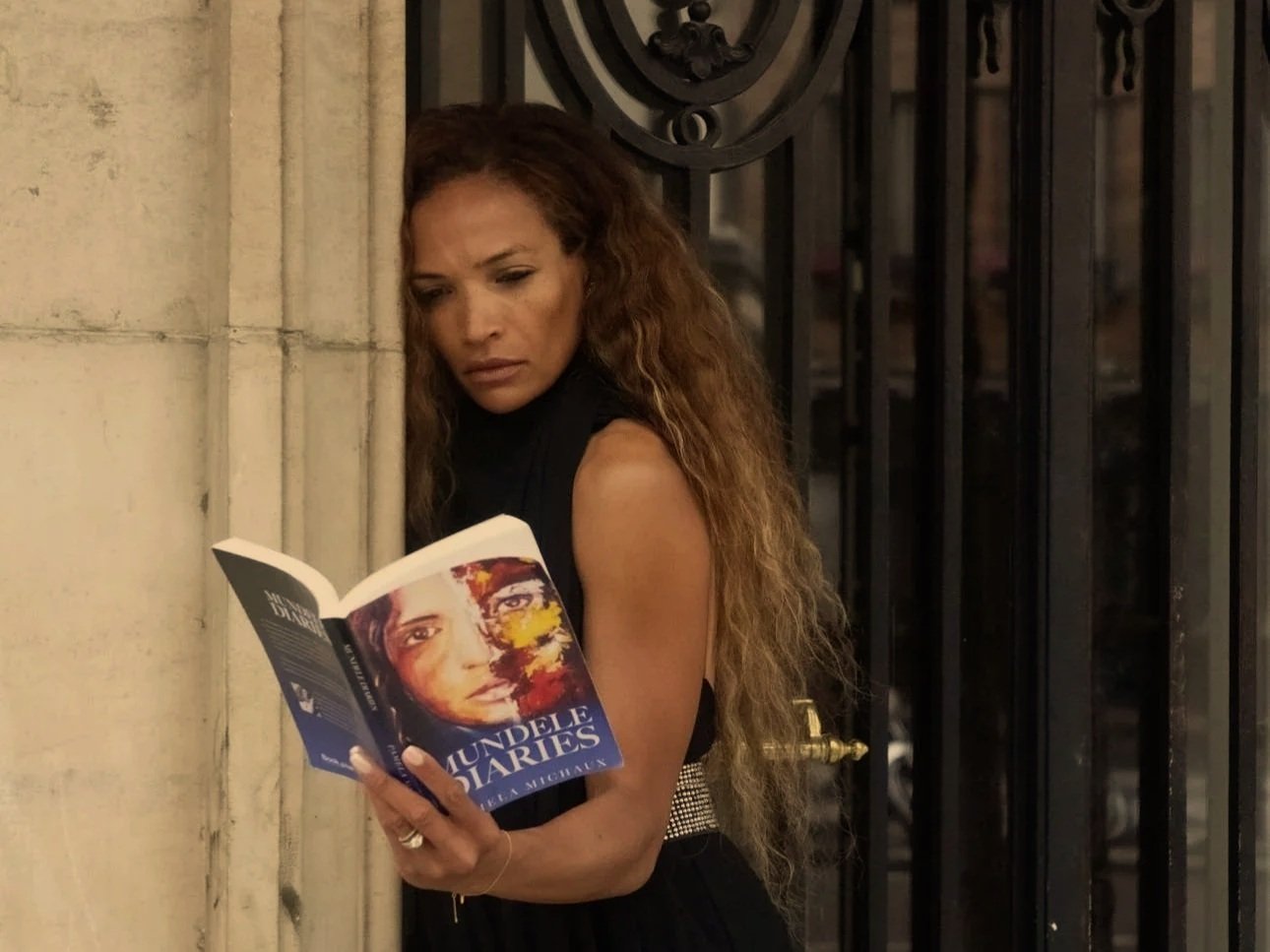
I met PAMELA MICHAUX at a social event. She’s one of those women who stand out for all the right reasons - she radiates warmth and strength. So I was stunned to learn she had survived a traumatic childhood and had written a book about it. In Mundele Diaries she recounts growing up in a village in Congo before being sent to Belgium, at the age of seven - to protect her from the military unrest in her home country.
But, instead of a better life, she ended up having to endure physical abuse, sexual violence, and racial discrimination. As her two younger siblings later joined her in Europe, Pamela became their protector, all while struggling to find her identity as the daughter of a Black mother and a white father - caught between two cultures.
Her story is not only about trauma and survival. It’s about finding - and reclaiming - a voice, and learning to use it with strength instead of fear. She talks about her journey here:
Early on in your book, you write: “We become experts at surviving in silence. We soften our voices, swallow our needs, and adapt, even when it costs us parts of who we are.” Tell me more about this.
My story may be extreme compared to that of many people who will read it, but you don’t need that kind of story to experience silence. Many people are still staying quiet, sucking it up, not speaking up - just in different ways.
Many of us have been compared from the moment we are born. Compared to siblings, cousins, classmates. And when your value is constantly measured against someone else, you start shrinking. You start disappearing a little.
It doesn’t matter if you come from a “perfect” family on paper or a broken one. We all have emotions. Expectations. Projections. We carry what was projected onto us, until we realise: This is my life. I don’t have to live someone else’s expectations.
You “spoke up” when you were very young. Do you remember the first time?
Yes. I was 10. The first time I ran away, I was 10. But the first time I spoke up was to a teacher - and it was not really intentional. I was fully bruised - especially my legs - from being beaten. I was very good at basketball, and I was the captain of the team. I didn’t want to change clothes because I didn’t want anyone to see.
The teacher forced me to change or I would be kicked off the team. When he saw the bruises, he asked what happened. I told him.
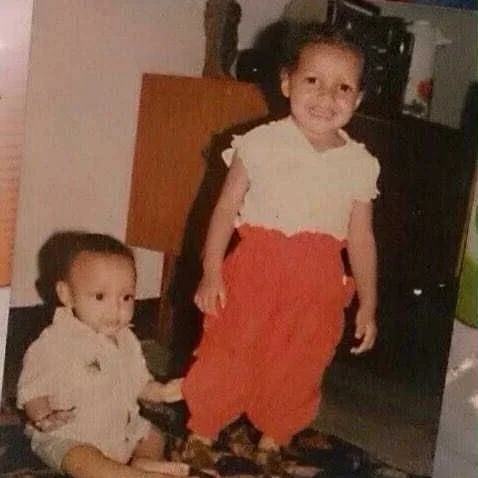
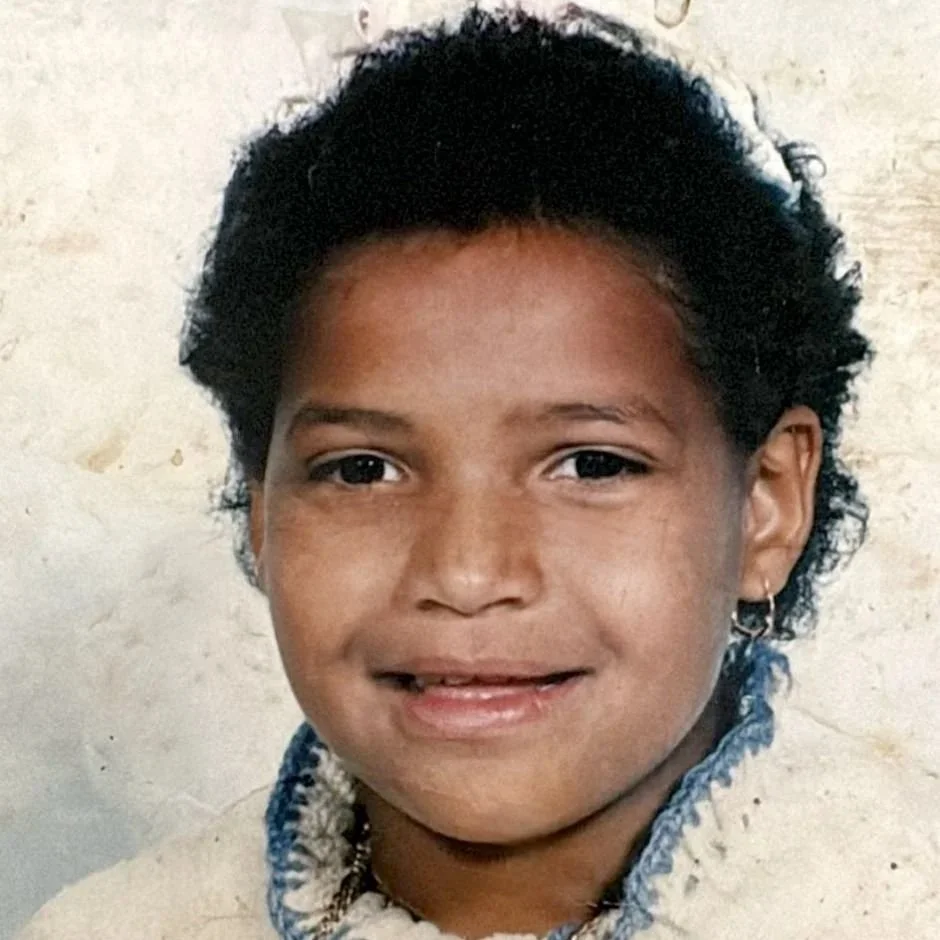
I was afraid. When you’re abused, the shame and guilt are put on you. You think you’re the one who did wrong.
I felt shame when I said it. I still remember his name. He said: “Pam, you’re safe.” It felt like being a hurt animal that someone tries to pick up. It’s comforting, but you’re scared at the same time. It’s a mix of fear and relief. You hope you can trust that person.
What changed after that?
The authorities were brought in - but they knew my abuser. So I was sent back. That’s when I lost faith in the idea that if you speak, you will automatically get help.
But I wish I had known then what I know now: there are good people out there who want to help. Just because one person fails you doesn’t mean everyone will.
After that, I started observing. I learned the pattern of abuse. There’s always a cycle - a build-up where everything feels good, then boom, they crush you, then it resets. I learned body language. I could hear their steps and know what mood they were in. I learned to speak in a way that kept me in less trouble. But in my mind, I was always preparing an exit.
At 12, you took your guardians to court. That’s extraordinary courage.
It didn’t feel like courage. It felt like responsibility towards by two younger siblings who had then joined me in Belgium. I thought: No one is coming to save us. But I was afraid. Afraid they would send me back and it would get worse.
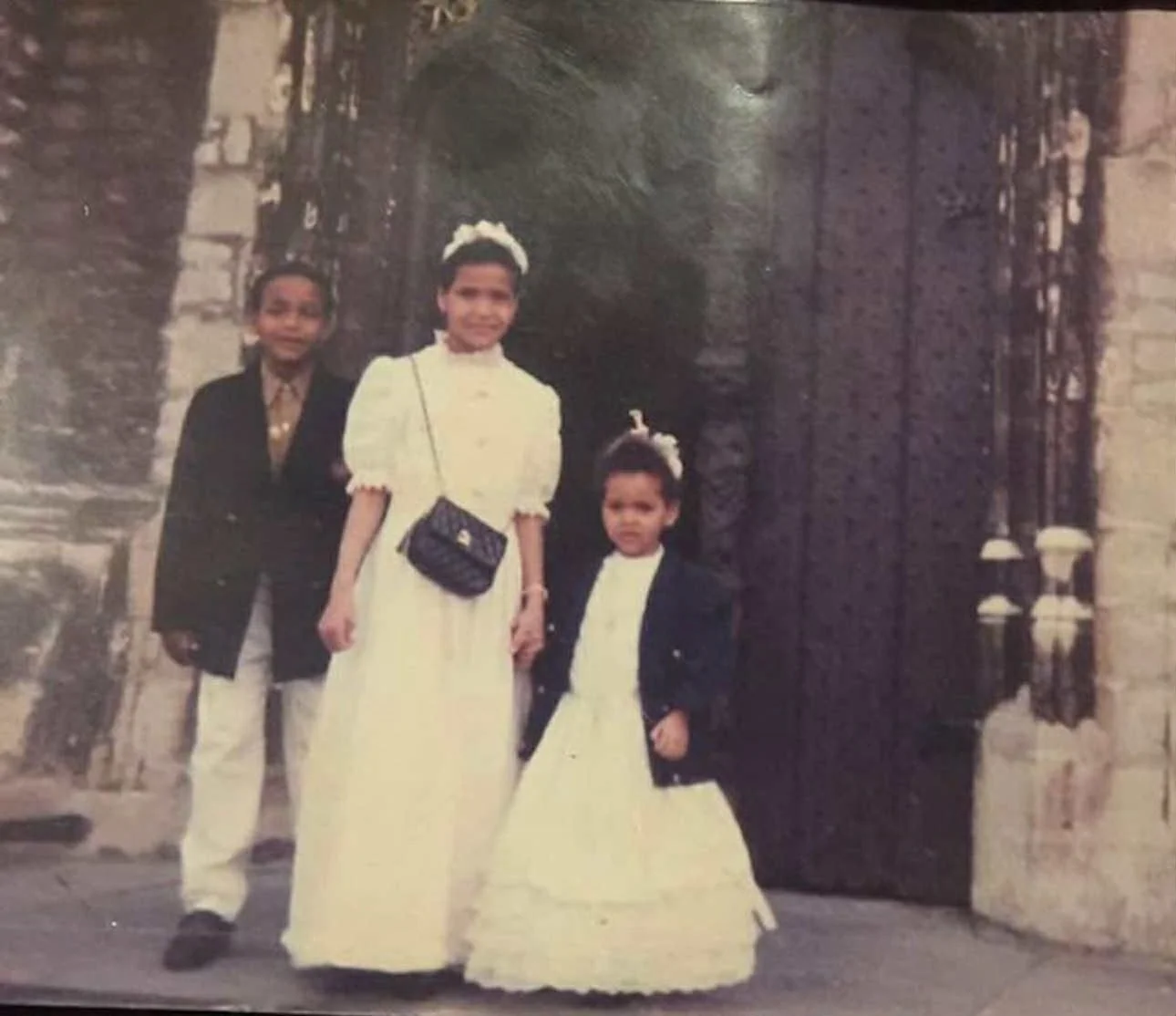
“For my brother and sister, I would fight. I would stand up. But for myself? I didn’t value myself yet.”
The first time you say ‘no’, it feels uncomfortable. But the more you say no, the easier it becomes. For my brother and sister, I would fight. I would stand up. But for myself? I didn’t value myself yet.
That self-worth came later. I had developed my voice for others. I could defend others. But loving myself enough to use my voice for me - that was different. You have to love yourself as much as you love the people you love.
So when did that happen? When did you turn the power of voice onto yourself?
Turning 30 was a real turning point. I had my son. When you lacked something as a child - in my case, family - you desperately try to create it as an adult. I wanted that family so badly that I stayed in a relationship I was not fully happy in for about 17 years. I left and went back three times.
But when I had my son, something shifted. There were things happening in my marriage where I thought: I don’t want this anymore.
At first, we change for the people we love - not for ourselves. Because we don’t think we are worth that love. It took me time to realise: family doesn’t have to look one certain way. You can be a mother alone. You can stand on your own.
That was the real shift.
So did motherhood play a role in that shift?
Yes - especially with my son. I had my daughter just before I turned 18. I was still a child having a child. But with my son, something clicked.
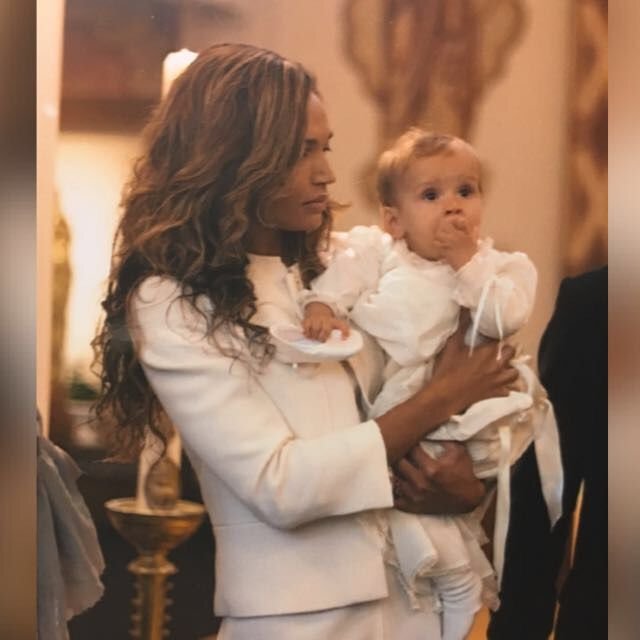
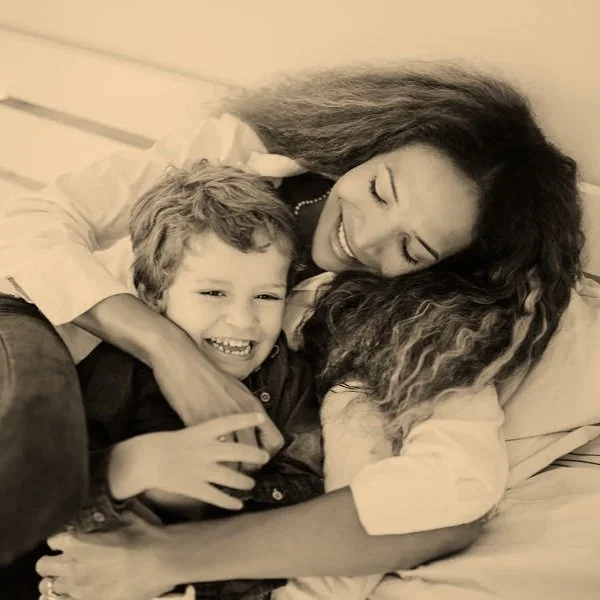
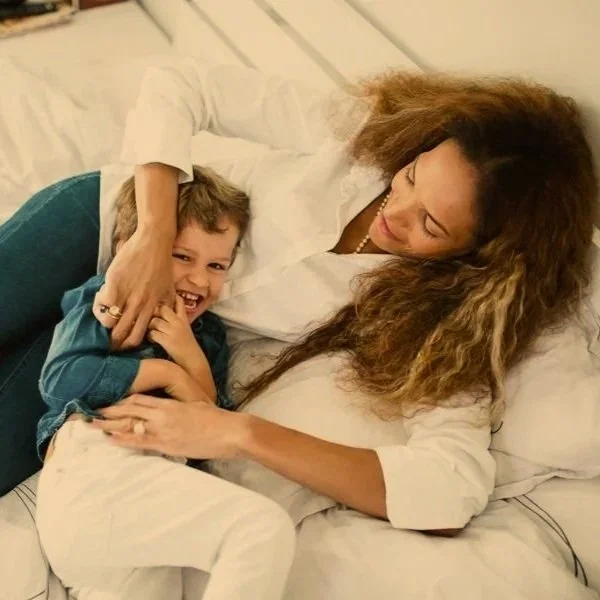
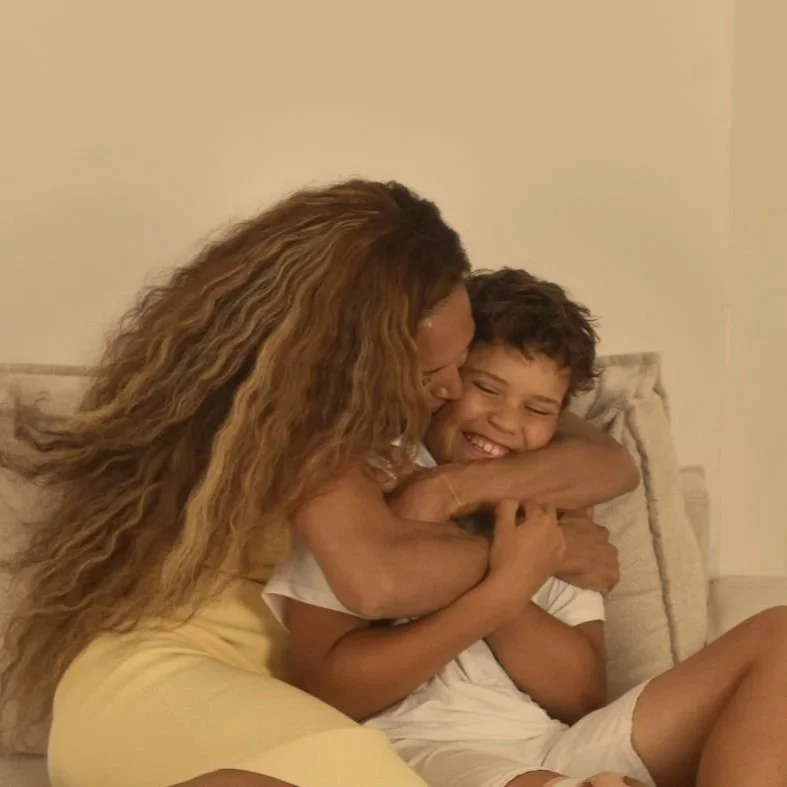
My ex-husband once suggested I go on medication for my childhood trauma. Then he said our son was “turbulent” and implied it was genetic - that violence was in my family.
That triggered something in me. I did not want my son to grow up under that narrative. So I started detaching - like I did at 10 years old. Surviving quietly while preparing my plan B to leave.
Eventually, you left. You chose your own path, built your business… And then you chose to write the book. Why?
My son. One day he came home from school sad. I asked what was wrong. He didn’t want to talk. Then he said: “Mum, you’re so strong. I want to be like you.” I told him: “Baby, I cry too. I feel pain.”
As mothers - as women - we keep going. We make everything look perfect. But there is no perfect. I wanted to show that your past does not define who you are.
Healing is a journey. There’s no timeline.
I was ashamed of my childhood. I had been told it was dirty. Taboo. Shameful. But when I owned my past, no one could use it against me anymore.
That was freedom.
What was the writing process like?
I started by isolating myself in Lourdes. I was like a writer in my pyjamas all day. It was a retreat - tears, joy, painful memories.
But even in the painful moments, I always found the lesson: It happened. So at least let me learn from it. You can’t change the past. But you can accept it.
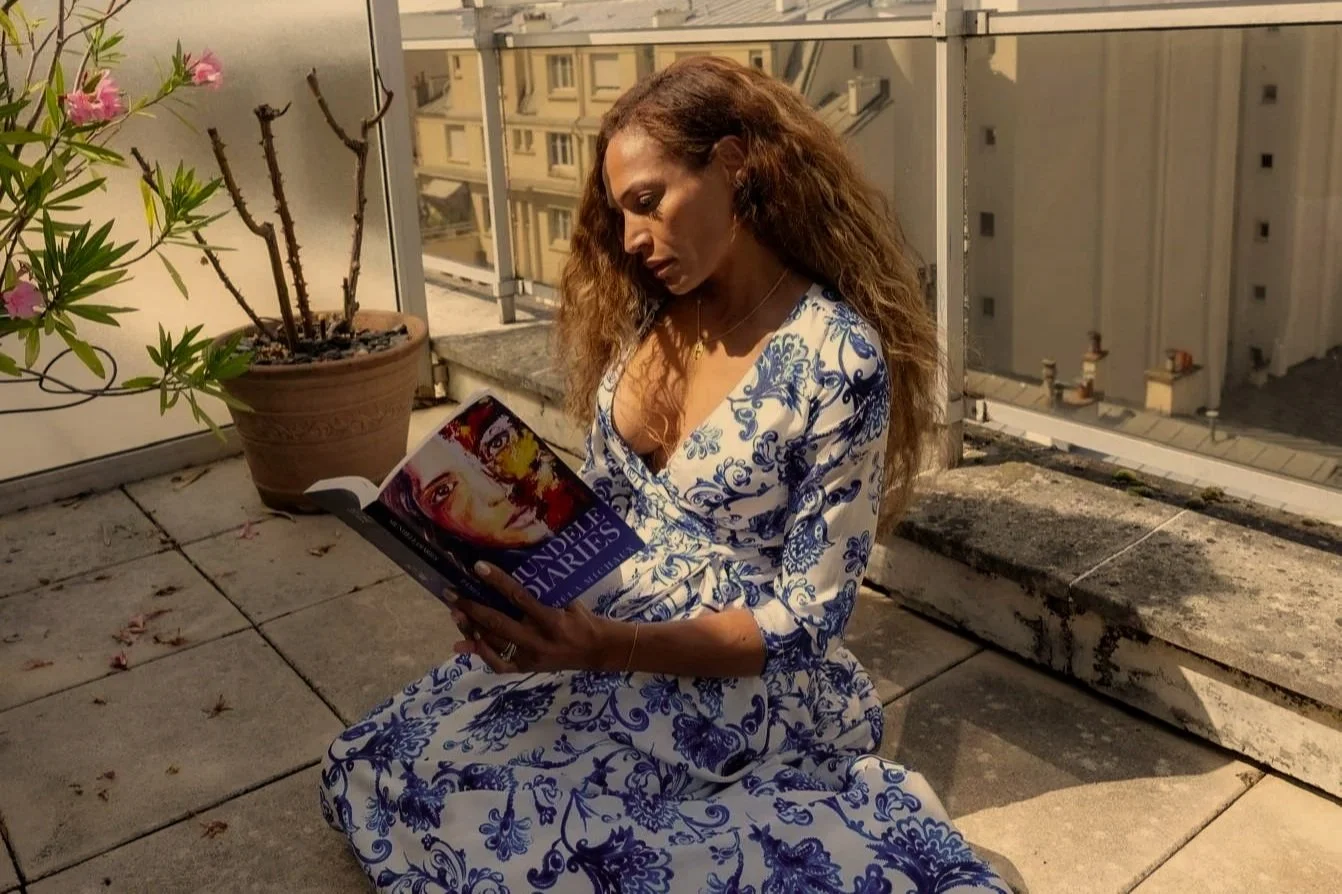
Owning my past wasn’t about making peace - it was about accepting that it happened. I had so much anger. I did a lot of boxing to keep my sanity. Some people paint, some sing - you need something to express yourself.
But sports alone are not enough. You have to talk about it. That’s when I realised I hadn’t healed yet.
Was there a defining moment where you felt truly free?
Yes. I spoke up at a family wedding - fully, openly. I confronted by abusers. Before that, I would have anxiety, panic, a heavy chest. That’s what happens when you’re not true to yourself. When you’re dimming your voice to not upset others.
That fear? That’s your inner child. I had to reconnect with the child in me. It was her voice speaking.
After that moment, I felt relieved.
What has surprised you most since sharing your story?
People from different countries reach out and say: “I didn’t have your childhood, but this makes so much sense.”
That was my message: whatever your background, speak up. When people see me now - bubbly, strong - they would never guess my past. But I own it. And that’s my freedom.
If you don’t, you live in an invisible prison - yet it’s a prison where you think you can’t leave something like this. When you stay silent, you are actually protecting the people who hurt you.
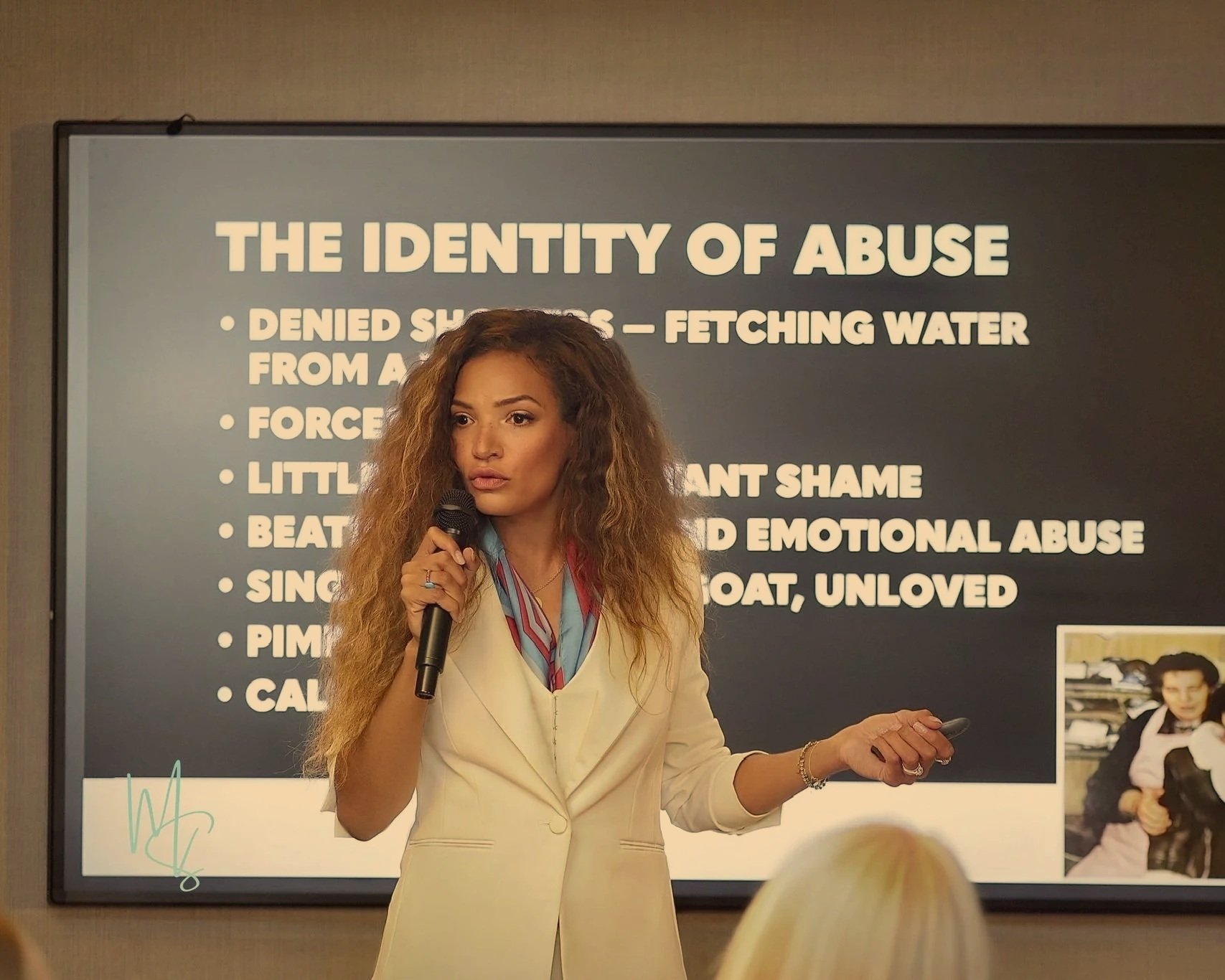
“Whatever your background, speak up. When people see me now - bubbly, strong - they would never guess my past. But I own it. And that’s my freedom.”
You also speak about burnout and perfection. How does that connect to voice?
We put so much pressure on ourselves - to be the perfect wife, the perfect mother, the perfect professional.
I had a burnout. I don’t wish that on anyone. If I had spoken earlier - even just saying “I’m tired” - maybe it would have been different. Till today, when I am going through a tough time, I allow myself down time. But I only allow it for two days. Then I pick myself back up.
Speaking up is about everything. Saying you’re tired. Saying you need help. Saying no at work. Speaking to your partner. Even speaking to your children. We expect others to think like us - but they’re not in our heads.
You have a voice. Use it. Respectfully, but use it. Very often, voice is linked to shame.
And when you remove the shame - you remove the silence.
If you had one clear message to give, what would that be?
Own your story. Speak your truth. Love yourself enough to use your voice - not just for others, but for you.
You can find out more about Mundele Diaries by visiting the website or by following Pamela’s journey on Instagram
Find out more
If you like what you read, follow Woman Unclouded on Facebook and Instagram or scroll down to join our monthly newsletter.
Share your views
Is there a subject you feel needs to be ‘unclouded’, spoken about, or explained? Is there something you feel passionately about? If so, share your views… or share your story - to inspire and help other women. This can then be turned into a story or published on our Community Voice page in your own words.
Woman Unclouded believes that by sharing - stories, experiences and expertise - women can inspire one another - to take the leap, or to simply make sense of things.
All you have to do is drop us an email at hello@womanunclouded.com