
The places that remember…Where women were killed.
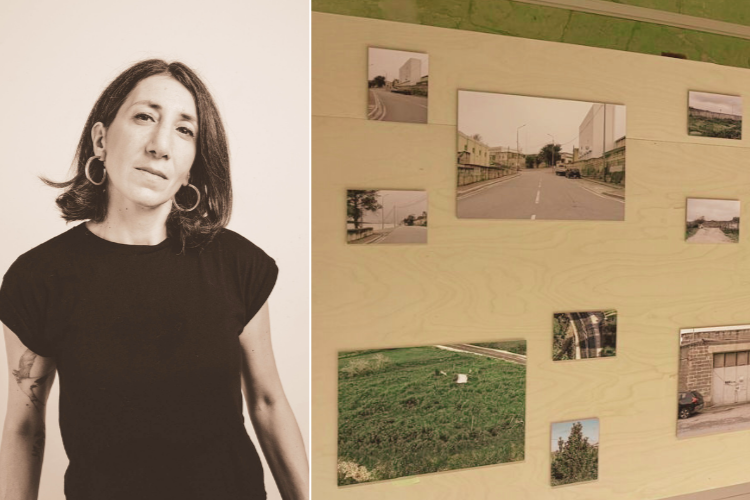
Photographer Therese Debono
A field in Bidnija. A road in a Paola industrial estate. A garage in Qormi. An apartment in Sliema. A petrol station in Gzira. These are all places where women were killed.
Years passed. The sirens stopped screaming. The media’s cameras left. But the places still hold the chilling, quiet memory…
As a journalist focused on human interest stories, I’ve spent years speaking to families who lost loved ones in tragic circumstances. Many are reluctant to speak at first - understandably - but with time, some feel ready to share an important message. Their stories often stay with me, and so do the places where these events unfolded, becoming part of a personal mental map of Malta’s most painful moments.
That’s why the project of photographer THERESE DEBONO immediately struck a chord. She revisits sites where women were killed, capturing them years later in her photographic series In Place: Where the Land Holds. Here’s what she had to say about this project that holds at its core an artistic ambition - to document absence, to capture what remains when everything else has moved on.
Tell me about the project: What inspired it?
This body of work developed through my ongoing photographic research into landscape, memory, and the ways environments hold traces of past events. I became increasingly interested in how sites continue to carry the residue of the past, such as violence, long after it has passed, even when no visible trace remains.
During this period, I encountered parallel conversations around violence against women, including an exchange with Lisa Gwen in relation to her project called Don’t Air Your Dirty Laundry which explores how violence against women can be exposed and brought into public awareness.
While these discussions intersected thematically, the project evolved independently into a site-led photographic inquiry grounded in my established practice and research.
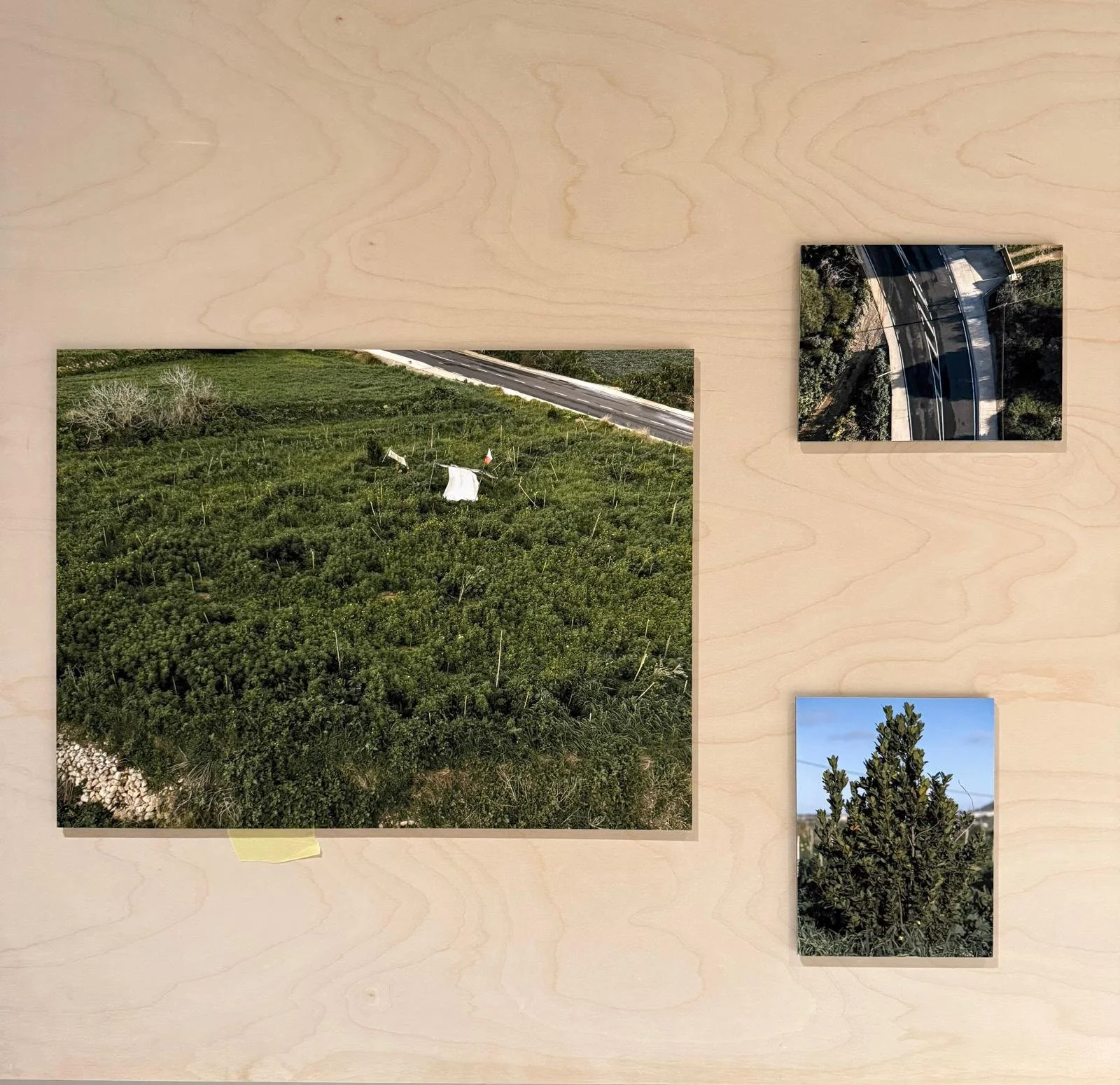
Rather than representing the act itself, the work focuses on the present-day condition of these locations. The images operate through restraint, allowing the sites to function as quiet bearers of memory. What cannot be shown is instead held within the landscape.
Why did you feel the need to shine a light on these places?
There is a tendency for such events to be absorbed into statistics or confined to moments of media attention. I wanted to return to the sites themselves, where these acts occurred, and consider what remains once public attention has faded.
By revisiting these locations, the work resists spectacle and instead acknowledges absence. The landscapes appear ordinary, yet they carry a weight that is not immediately visible. This tension between the banal and the violent is central to the project.
How did the project evolve and why?
The project shifted from an initially more symbolic and prescriptive approach toward a process grounded in observation, research, and ethical consideration. Through archival work, including newspaper reports, court documents, and conversations with individuals connected to the cases, I began identifying and revisiting specific sites. As the work developed, it became clear that any form of reenactment or imposed symbolism would risk reducing the complexity of these events.
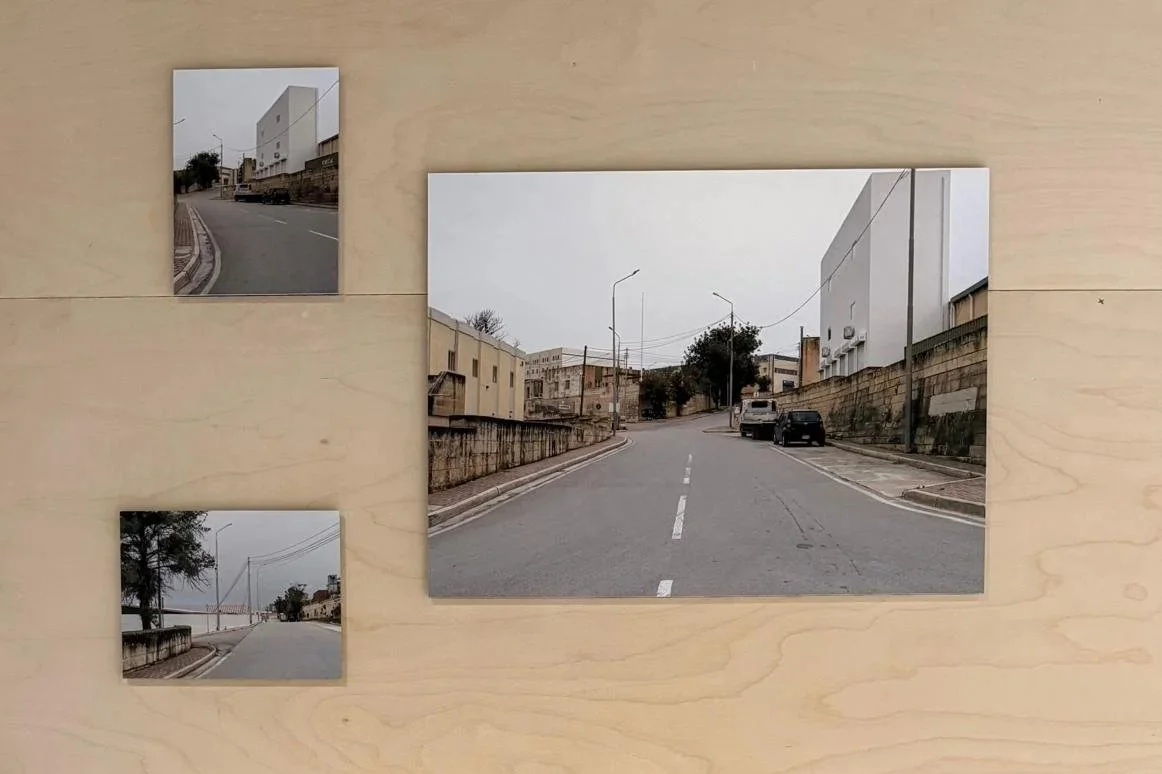
This realisation led to a more restrained visual language, where the emphasis is placed on presence, absence, and the indexical relationship between image and site. The direction was further shaped by moments of resistance. In one instance, a family member of a victim expressed strong opposition to the work, questioning its place within art altogether.
Rather than dismissing this response, it became integral to the ethical framework of the project, reinforcing the need to avoid representation that could be perceived as intrusive, interpretative, or exploitative.
As a result, the work does not speak about the victims, but remains anchored in the sites themselves. It does not attempt to aestheticise or narrate these events, but instead holds space for their trace within the landscape.
In this sense, the project aligns with a broader position within contemporary photographic practice, where the image engages with lived realities, including violence and injustice, not to resolve them, but to acknowledge their presence. The photograph operates here as a form of quiet testimony rather than representation.
Outline the photographic process
The process begins with research. Each site is carefully located through archival material and local knowledge. Once identified, I visit the location without staging or intervention. Some sites did not need multiple visits but others required multiple visits.
Some visits I had no camera with me so as to allow the land to come through to me without the rush of photographing, then I would return when I was ready to photograph.
The photographs are made using direct, calm compositions that avoid dramatization. There is no attempt to reconstruct the event or guide the viewer toward a fixed interpretation.
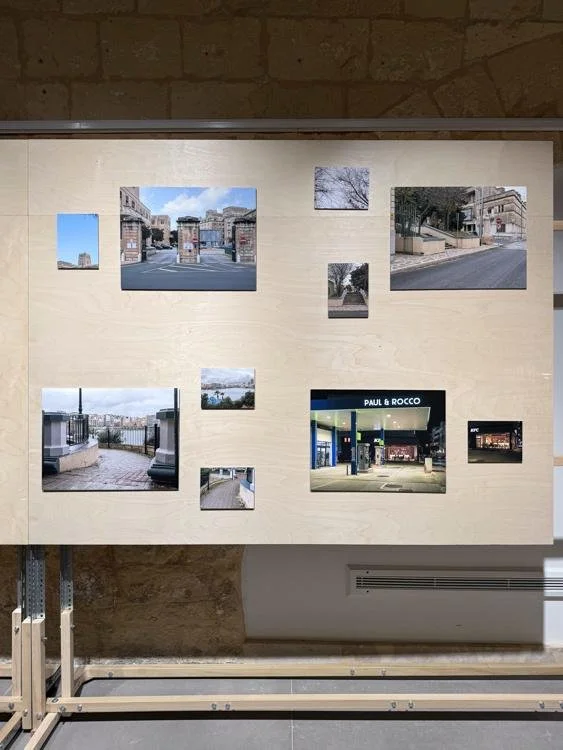
The camera operates as a witness rather than a narrator. The resulting images function as testimonies, grounded in the present, yet shaped by what has occurred there.
The images are not titled after the victims. This decision was made out of ethical consideration, to avoid reducing individuals to representations within the work or reinscribing their identities through the image.
The project is not centred on biography, but on how trauma is absorbed and held within the landscape over time. In this sense, the work does not move away from the victims, but approaches the subject through a different register, one that acknowledges presence through absence, and resists the need to fix meaning onto specific individuals.
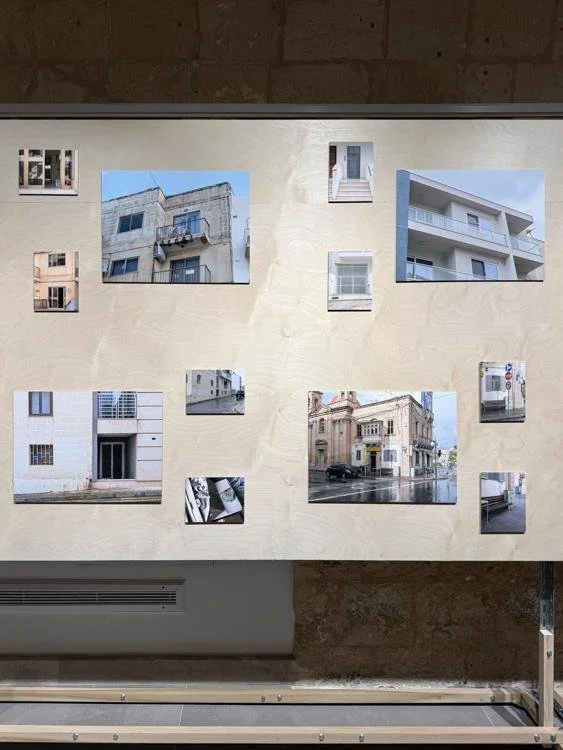
What do you hope people can take from this?
I hope the work encourages a slower, more reflective engagement with these spaces. It asks viewers to consider how violence can exist beyond the moment of its occurrence, embedded within the everyday landscape. The images do not provide answers, but instead create a space for contemplation, where absence becomes a form of presence.
If anything, the work invites a shift in attention, from what is visibly evident to what is quietly held.
The project formed part of the Malta Biennale 2026.
Find out more
If you like what you read, follow Woman Unclouded on Facebook and Instagram or scroll down to join our monthly newsletter.
Share your views
Is there a subject you feel needs to be ‘unclouded’, spoken about, or explained? Is there something you feel passionately about? If so, share your views… or share your story - to inspire and help other women. This can then be turned into a story or published on our Community Voice page in your own words.
Woman Unclouded believes that by sharing - stories, experiences and expertise - women can inspire one another - to take the leap, or to simply make sense of things.
All you have to do is drop us an email at hello@womanunclouded.com