
Why I froze my eggs
As women focus on their studies and careers, time can slip by. Many find themselves professionally fulfilled, only to suddenly realise they want to become mothers - and that time may not be on their side. One woman, who preferred to remain anonymous, shares what prompted her to freeze her eggs on the eve of turning 46,which is the cut-off age for the procedure known as oocyte cryopreservation. She also shares advice for others who may need to delay motherhood, whether by choice or circumstance.
For how long had you been thinking about freezing your eggs?
Quite some time. I first seriously considered it after a failed relationship in 2016 and even looked into doing it in the UK. A couple of years later, I decided against it.
Firstly, there was still a chance of conceiving naturally at my age then - so I shifted my focus towards trying to build a better relationship instead. Secondly, the idea of travelling and spending weeks away from home and my routine for the treatment really put me off. The thought of dealing with fluctuating hormones and moods, largely on my own, without a partner, made it even less appealing.
What made you actually go for it?
What changed was another failed relationship a few years later. At that point, I felt time was truly ticking and I had no more time to waste.
I called my gynaecologist, who recommended the same clinic I already knew about - possibly the only private fertility clinic in Malta then. As soon as I hung up, I went onto the website and booked a free consultation for a couple of days later.
“The thought of dealing with fluctuating hormones and moods, largely on my own, without a partner, made it even less appealing.”
I went in simply to understand my options, only to discover that there’s a Europe-wide law restricting egg extraction to before a woman’s 46th birthday. I was just three months away from turning 46. I was told there were essentially no options and that I should consider egg donation.
That wasn’t something I would have chosen - egg donor plus sperm donor would mean I’d simply carry and deliver a child without a biological connection or a partner. Especially after learning I still had a narrow window to act, I knew I had to try.
Did you always want to become a mother, or is this something you considered later in life?
I always wanted to be a mum. But I probably focused my life and energy on other things - or on partners - that couldn’t have led me there.
What were the main challenges you faced when making the decision?
The risks the doctors kept highlighting: the risks associated with pregnancy at an older age, and the very high likelihood that the process might be unsuccessful.
They estimated a 98–99% chance of failure - essentially saying there was only a 1–2% chance of success.
Why did you decide to go for it in the end?
I didn’t want to be 55 or 60, without children or a family of my own, and look back with regret for not taking that one chance I had before turning 46.
Even though doctors tried to discourage me, I persisted.
Can you briefly walk us through the process?
It started with hormonal blood tests, including the AMH test (which measures egg reserve). As expected, at almost 46, my levels had declined significantly compared to just three years earlier.
Despite the discouraging AMH results, I had an ultrasound scan at a specific point in my cycle. A few follicles were detected - these could potentially develop into oocytes.
I was prescribed supplements, vitamins, and the contraceptive pill to better control ovulation. In my case, I even had to skip a menstrual cycle. The clinic also sought authorisation from the Embryo Protection Authority.
After stopping the pill, on the first bleed, I returned to the clinic for blood tests and a scan. I was then prescribed the first injectable medication, which I administered at home into the abdomen. The initial prescription covered the first three days and included one or two daily injections.
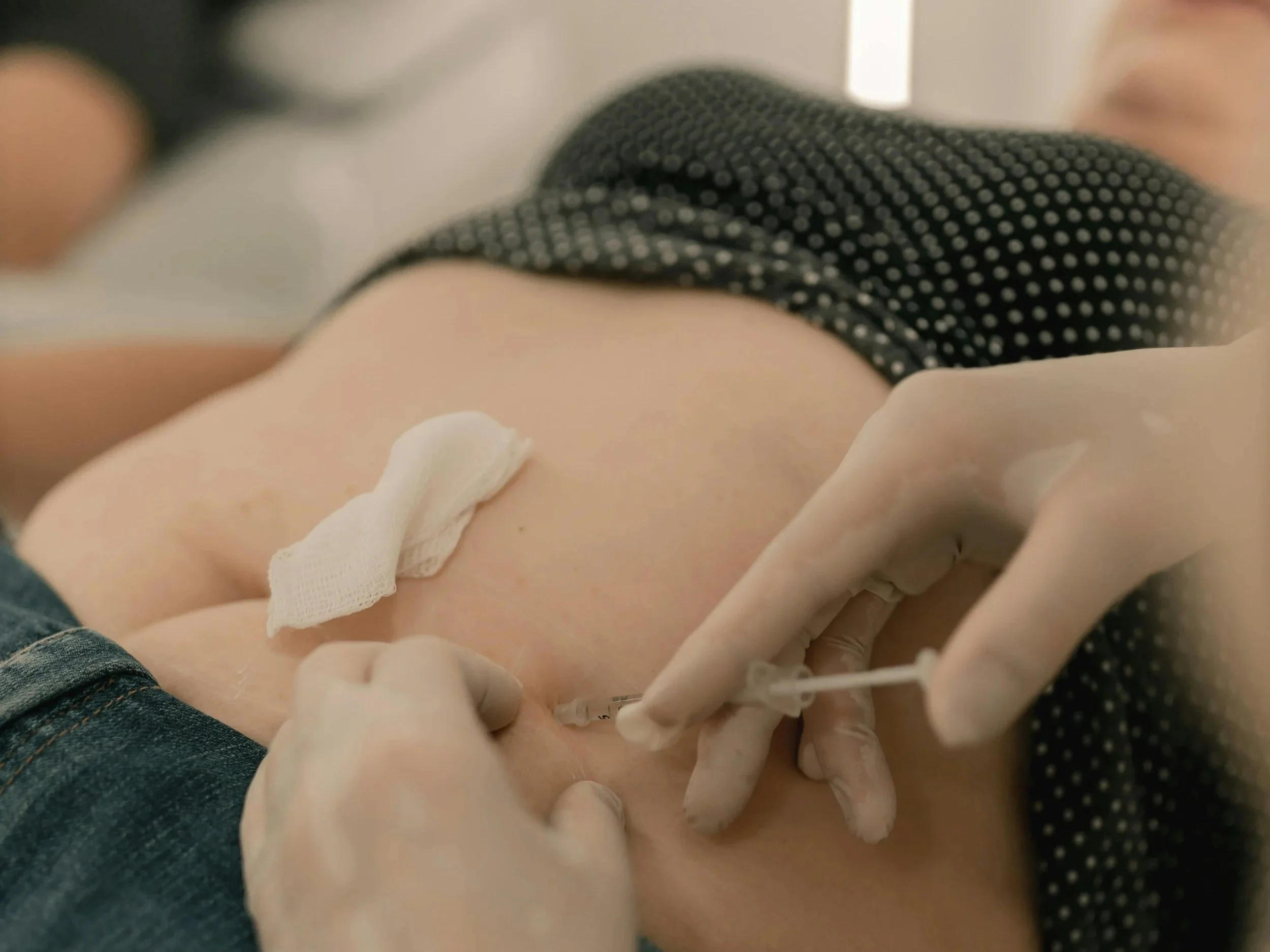
Every few days, I returned to the clinic for blood tests and scans. The blood tests monitored hormone levels, while the scans tracked follicle growth stimulated by the injections.
After 12 consecutive days of injections and monitoring, I was given the “trigger injection,” which had to be taken at a precise time. This injection triggers ovulation 36 hours later.
Day 13 was a break from injections, apart from continuing supplements. I was also told when to start fasting ahead of the procedure.
“Go for it - ideally at a younger age, in your mid-30s. It’s the best kind of “insurance” for women who want to become mothers eventually.”
Day 14 was extraction day - a 15–20 minute surgical procedure under general anaesthesia. A couple of hours later, I was discharged. I was advised to walk a little to reduce the risk of thrombosis, but otherwise to rest and take it easy for a few days.
It costs between €9,000 and €11,000, depending largely on the amount of medication required - which varies based on hormone levels throughout the process. In some cases, Mater Dei’s ART Clinic may cover the cost. (The ART clinic offers free egg freezing for women between 18 and 35 and for women with medical conditions, such as women undergoing chemotherapy)
What is your message to women considering this?
Go for it - ideally at a younger age, in your mid-30s. It’s the best kind of “insurance” for women who want to become mothers eventually.
I had read a lot beforehand and expected it to be much harder and more disruptive. In reality, life went on quite normally. I continued working, aside from clinic visits and sourcing medication (which is only available from a few pharmacies).
I did have to tone down exercise, and I received mixed advice about that. Weight gain was minimal, and I didn’t experience significant mood swings - though I did feel anxious about the outcome.