
From woman to mother - and back again

In this personal reflection, psychotherapist Maria Muscat explores the profound identity shift from woman to mother, the myth of the superwoman ideal, and the quiet courage it takes to reclaim your voice.
Motherhood is perhaps one of the most rewarding seasons of life. It is a unique space - perhaps unlike any other phase in life - especially in those early years when a woman becomes a mother. Alongside its beauty come profound changes: in the body and mind, priorities, and commitments.
With these shifts comes a change in identity: a woman becomes a mother. This becoming is not always straightforward. I meet many women who, along the way, feel they have lost parts of themselves - lost their voice amid the many loud voices around them, and sometimes within them.
While there is great joy in welcoming a baby, the postpartum period can be marked by moments of struggle: baby blues, self-doubt, or the quiet feeling of not being ‘good enough’. It can be an arduous journey, where balancing a baby’s needs with making space for oneself does not always come easily.
From woman to mother - shift in identity
This theme is very close to my heart. It is something I have experienced myself, and one I encounter repeatedly - both in my work and within my own social circles. The transition from woman to mother is one of the most profound transformations a woman can undergo in her lifetime.
To me, it is not simply a change in role - it is a deep shift in identity, one that happens in the body, in the brain, and in the heart. On a biological level, the brain quite literally reshapes itself, with reductions in areas linked to memory and increases in regions associated with emotional regulation, social cognition, and empathy.
It is a transition that can turn a woman’s life upside down: from being independent and in charge of her own schedule, she moves to working around a baby’s rhythms. This season demands almost ceaseless giving - from pregnancy through the postpartum period and beyond, a mother often finds herself on the giving end around the clock: her time, her energy, her body, her attention - her very self.
For some women, this transformation can feel like a loss. A loss of autonomy, a loss of identity, a loss of self. And there is loss here, and with that, there is often grief for the life that once was: the freedom, the spontaneity, career progression, or even just the time to think, or simply to be.
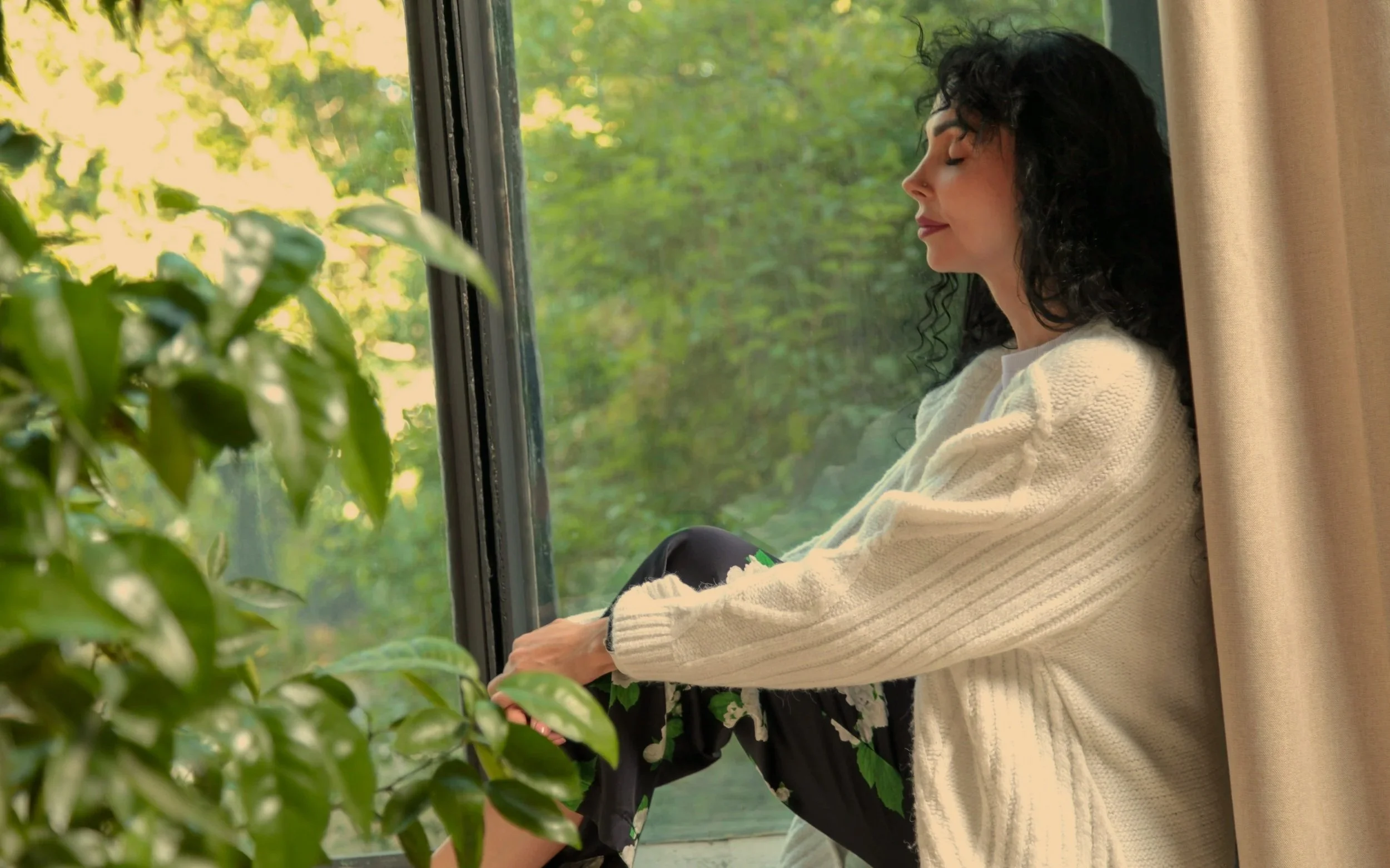
“Change begins when we accept what is. And for many mothers, the ‘what is’ looks very simple: a need for time, for space, for a moment to breathe… it is often the very beginning of the journey toward finding her voice and finding herself again.”
I feel strongly that acknowledging this change is the first step forward. Transformation begins with acknowledgement - a woman must first meet herself where she is before she can begin to move toward something new. This may sound paradoxical or strange, but it is not.
Change begins when we accept what is. And for many mothers, the ‘what is’ looks very simple: a need for time, for space, for a moment to breathe - even just to take a shower. This is not trivial - it is often the very beginning of the journey toward finding her voice and finding herself again.
From here, the next step often involves confronting expectations - the voices that grow louder with each passing day. Expectations from society, from family, from social media, and perhaps the most delicate of all: the expectations she holds within herself about what a mother should be.
Great expectations
The idea of ‘doing it all’ and being on top of everything is widely applauded. In our society, there seems to be an unspoken image of the ideal mother - who juggles everything effortlessly and somehow always wins. But I think that striving toward these false ideals can be deeply exhausting.
There is always a cost to living at extremes - to chasing the superwoman ideal. From where I sit, I can say this with confidence: superwoman is dead, and good enough, really, is good enough.
Motherhood does not need to be perfect, there is an inherent messiness to it. Some days are good, some are not, and on some days - we get takeout. To me, these supports are necessities - not luxuries.
Another closely related issue is the resistance to ask for help. Too many women still struggle to reach out for support - whether practical, emotional, or psychological. Again - this is often tied to the unconscious ‘superwoman’ ideal that so many women in this modern society feel pressured to live up to.
“When the village comes together, the magic happens. Sometimes, all it takes is a cup of coffee with another mum to feel instantly uplifted, bringing warmth to both the heart and the soul.”
We need to normalise reaching out - to family, neighbours, trusted friends - to care for the baby while a mother catches her breath, goes for a walk, or simply takes a shower. I think that asking for support is healthy, it is enabling and certainly not failure.
I find that the feeling of ‘not being a good enough mother’ is, unfortunately, a common theme amongst mothers: it is not always visible on the outside. Often, it hides behind perfectionism, rigid routines, and constant worry - about sleep, feeding, milestones, or whether the baby is happy enough.
Not that these are not important, but they can’t be the measure of a mother’s worth. And perhaps it's time that somebody said it out loud. Perhaps the most important question we can ask is not: ‘Am I doing this right?’ but ‘Do I feel like a good enough mother?’
To me, this is a central question, and it is not really about parenting - it is about self-worth. It is about taking up space and finding one’s voice in the world. At this point, I also want to speak about comparison - especially through the lens of social media.
There is often a stark disconnect between what we see online and our lived experience. Which one is real? The truth is that most mothers struggle in one way or another, and it is also true that social media tends to show only the best moments. What we see online is usually just a small fragment of a much larger picture -what people post on social media and what their real lives look like are often worlds apart. Take it from a therapist.
Taking space, finding her voice
For a mother to gradually find her voice, taking practical steps really helps. Carving out some time for herself is one way of moving forward, towards finding her voice as a mother. Many of us are familiar with the flamingo metaphor: flamingos lose their pink when raising their young, and as their babies grow, the colour slowly returns. But how does this happen in real life?
I often advocate for carving out even a couple of hours a week to do something that feels nourishing - whether that’s having coffee with a friend, going for a walk, attending a Pilates class, knitting, or taking a nap. Simply time to be with oneself. This time is not always readily available, which is why it sometimes needs to be negotiated within a support system - whether that is a partner, a parent, or another trusted person who can care for the baby while the mother replenishes herself in those two hours.
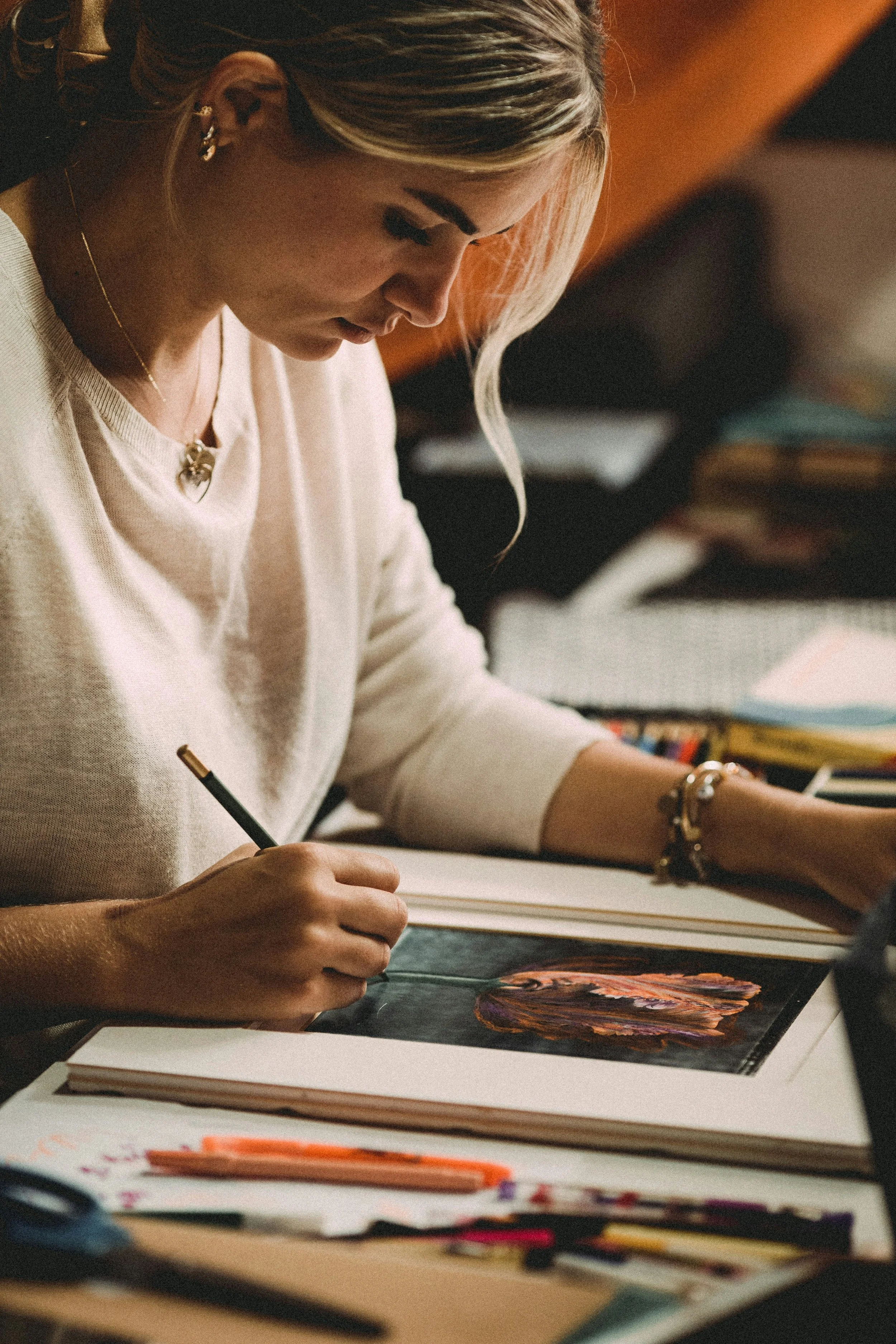
“I see this happening all around me: women who are in one profession or another use the pause that motherhood brings to begin something new: something they had long wished to explore but never quite had the space for.”
I cannot emphasise this enough. These small pockets of time matter, and often, they are the quiet beginning of a woman finding herself again. I feel strongly about this after meeting so many mothers who, in caring for everyone else, have had very little space to care for themselves.
Many mothers find themselves slipping into ‘being just a mother’, where the baby’s needs and the family’s needs come first, while their own remain quietly sidelined. If this dynamic isn’t gently explored and worked through, mothers can stay stuck in this place - often with lasting effects on self-esteem, their relationship with their partner, and how they experience themselves in the world.
Sadly, this is something I witness far too often. As the transition into motherhood begins to unfold, parts of the ‘old self’ gradually start to re-emerge within the ‘new self’ - sometimes in different forms, intensities, or flavours. I often notice that this shift can also be a deeply creative time. Things that were once on the back burner may quietly come to life. I see this happening all around me: women who are in one profession or another use the pause that motherhood brings to begin something new: something they had long wished to explore but never quite had the space for.
Personally, becoming a mother and stepping back from client work for a while gave me the space to reconnect with ideas I had never truly had time to pursue, and eventually to work with them. I’m also aware that many side hustles are born in this season.
Re-creating the village
This unique period of transformation also calls for community. In a world that is becoming increasingly insular, motherhood can be an invitation to reach out and connect with other women.
This isn’t always easy or straightforward - but sometimes it starts with one small step: sending a message, extending an invitation, opening your home. Join mum groups on social media, look up mum-and-baby events, or simply go to the playground.
Last February, I organised a small brunch for a few mum friends, without much thought or planning. From there, something beautiful unfolded: we began taking turns organising the meet-ups, one friend started a group chat, another took charge of dates.
What began as a simple invitation for tea quietly turned into a little community. When the village comes together, the magic happens. Sometimes, all it takes is a cup of coffee with another mum to feel instantly uplifted, bringing warmth to both the heart and the soul.
About the author

I’m Maria Muscat, a psychotherapist working with adults in both individual and group settings. I’m passionate about supporting people through trauma, relationship challenges, and personal growth, with a particular focus on perinatal and postpartum mental health. Outside of work, I love getting creative with hands-on projects, enjoying (endless) cups of coffee with friends and family, and spending quality time with my family.