
Stepping away from your mother. When distance is the only safe choice.
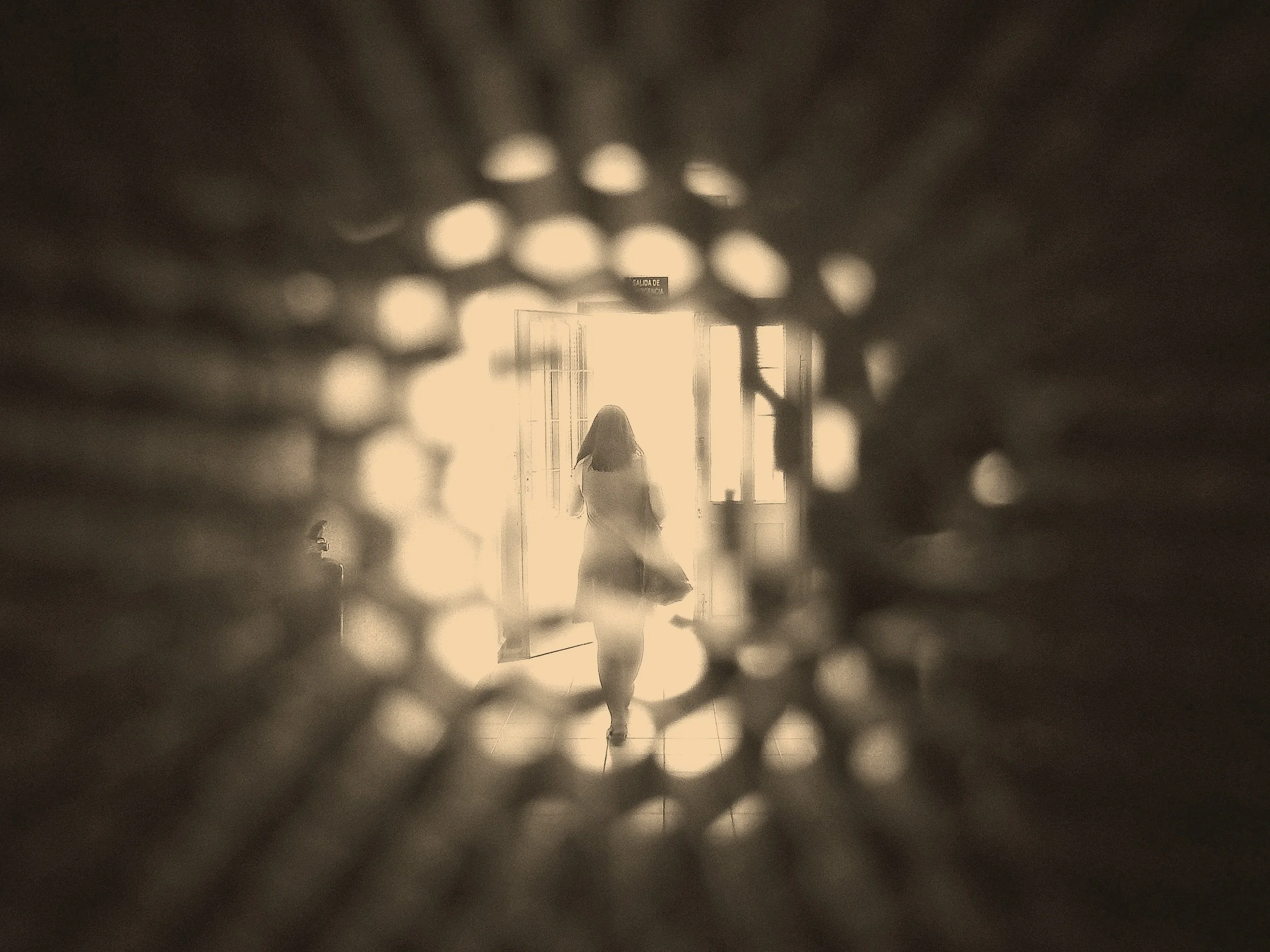
Mother’s Day is often wrapped in flowers, gratitude and celebration - but for some it also carries grief. In this deeply personal reflection, counsellor Isabelle Anastasi reflects on her own story of loss, the complexities of motherhood, and the often-misunderstood resilience of those navigating difficult relationships with their mothers.
May is often described as one of the most beautiful months of the year. The days grow warmer, the light lingers a little longer and there is a quiet sense of renewal in the air. It is also the month when we celebrate Mother’s Day, a time often associated with gratitude, love and connection.
For some though, this day carries a very different emotional weight.
As a child, I dreaded Mother’s Day. There was nothing to celebrate. I was abandoned by my mother at the age of six, never to see her again. While others prepared cards filled with love and appreciation, I sat with feelings of grief, anger and deep shame. I remember drawing cards for my grandmother, and later for my aunt when my grandmother passed away, always with tears quietly falling, always feeling like the “unloved child,” the one who had been left behind.
It was only when I became a mother myself that I began to see this day differently. Holding my own daughter, I came to understand what it means to love a child deeply and unconditionally and how powerful that love truly is.
What makes a “mother”?
We often hear phrases like: “You should always love your mother. She gave you life,” or “You must forgive her, no matter what.” While these statements may come from a place of cultural belief or intention, they can feel deeply invalidating for those whose experiences of motherhood were painful. The truth is, giving birth does not automatically make someone a nurturing or emotionally available mother.
A mother, in its truest sense, is someone who provides safety, both physically and emotionally. She is someone who can hold her child not just in her arms, but in their feelings. Through affection, attunement and consistency, she helps her child develop a sense of security: I am loved. I am safe. I am enough.
“The truth is, giving birth does not automatically make someone a nurturing or emotionally available mother. A mother, in its truest sense, is someone who provides safety, both physically and emotionally.”
This does not require perfection. Parenting is, and always will be, a process of learning, repairing and growing. But at its core, it rests on something fundamental: consistent, unconditional care.
Unfortunately, not all children grow up with this experience. Some are raised by mothers who are emotionally distant, highly critical, inconsistent or unable to meet their child’s needs. This is mostly the result of unresolved trauma, mental health struggles or their own upbringing.
For a child, this can be deeply confusing.
Love may feel conditional. Safety may feel uncertain. Worth may feel dependent on performance
Over time, children adapt. They learn to please, to withdraw, to silence themselves or to strive endlessly for approval. These coping mechanisms are not flaws - they are survival strategies. As adults, many begin to realise that these patterns no longer serve them in healthy ways. This is often where the journey of self-awareness, and sometimes therapy, begins.
The role of therapy and healing
In therapeutic spaces, many individuals begin to explore their relationship with their mother in a deeper and more compassionate way. They start to understand that the guilt they have carried for years may not belong to them.
They begin to ask difficult but important questions: Was I truly “too much” … or was I unmet? Was I difficult… or was I unseen?
Therapy can offer space to reconnect with parts of the self that were silenced, criticised or overlooked. It supports individuals in building a more compassionate inner voice and in recognising their own worth beyond the messages they internalised as children.
It also helps clarify something many struggle with: which relationships are safe to maintain and which may require distance.

“Choosing to distance oneself from a mother is rarely impulsive. It is often the result of years of trying, hoping and enduring.”
Choosing to distance oneself from a mother is rarely impulsive. It is often the result of years of trying, hoping and enduring. For some, maintaining contact continues to cause emotional harm, boundary violations or psychological distress.
In such cases, stepping back, or even severing ties, can become an act of self-protection rather than rejection. This decision is not made lightly. It often comes with overwhelming guilt, fear, grief and doubt. Many individuals are not letting go of their mother, but rather letting go of the hope for the mother they needed but never had.
That is a profound loss.
Every story deserves care
From the outside, estrangement can be difficult to understand. There may be a tendency to minimise, question or offer well-meaning but hurtful advice such as: “But she’s still your mother.” The truth is: no one sees the full story. We do not see the years of pain, the repeated attempts to repair or the internal conflict that led to such a decision. Estrangement is rarely a first choice. It is often a last resort.
Instead of judgement, what people need most is understanding. A simple shift from “Why would you do that?” to “That must have been incredibly hard”, can make all the difference.
“The truth is: no one sees the full story. We do not see the years of pain, the repeated attempts to repair or the internal conflict that led to such a decision. Estrangement is rarely a first choice. It is often a last resort.”
Mother’s Day does not look the same for everyone. For some, it is a day of celebration. For others, it is a day of grief, reflection or quiet resilience. For many, it is a complex mix of both. So, however, this day feels for you, whether joyful, painful or somewhere in between, your experience is valid.
Perhaps, beyond the traditional definition, being a “mother” can also mean something broader: To nurture, to protect, to show compassion towards others and towards ourselves.
This Mother’s Day, may we move away from idealised expectations and closer to compassion - for ourselves and for others because every story is different and every story deserves to be held with care.
About the author
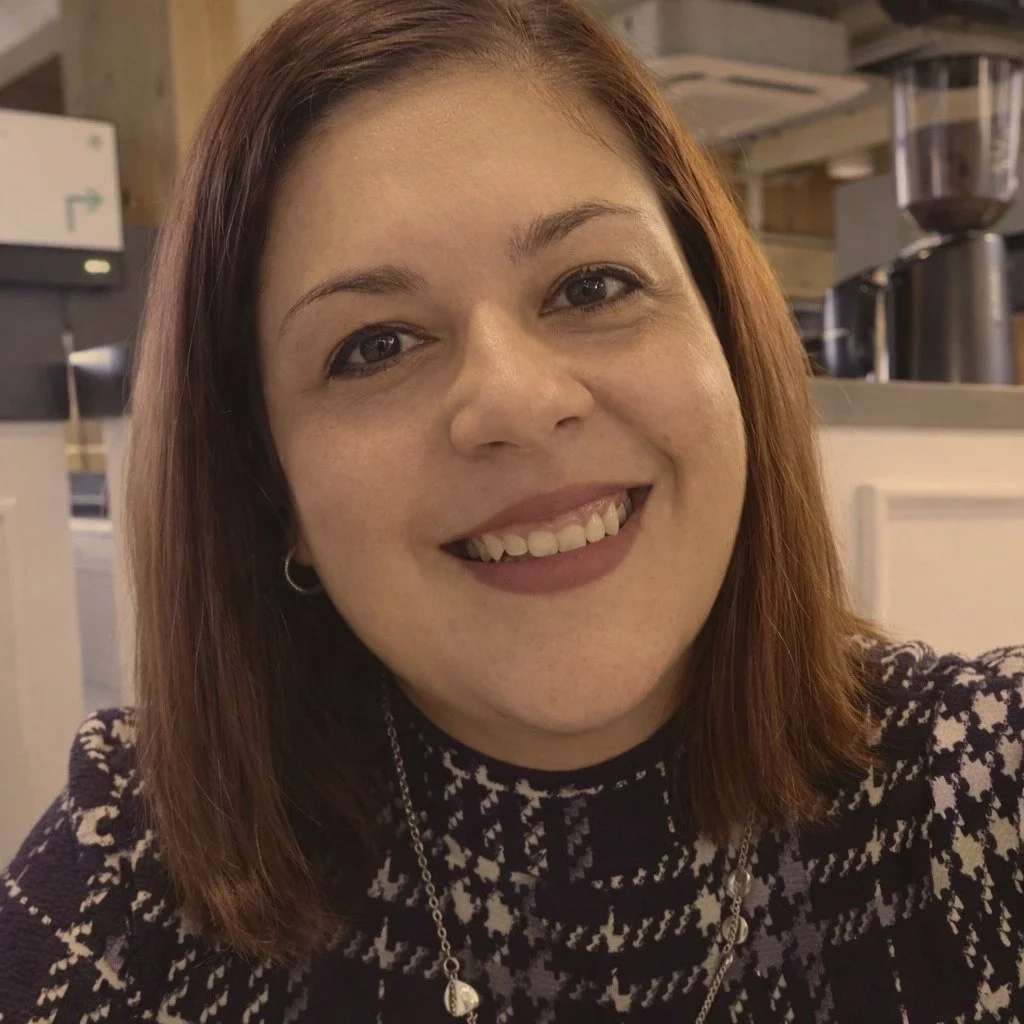
Isabelle Anastasi is a warranted counsellor supporting children, adolescents, and adults through a wide range of emotional and psychological challenges.
Her practice is grounded in a person‑centred approach that prioritises safety, trust, and a genuine therapeutic relationship. Her experience spans school settings, community services, and private practice where she supports clients experiencing anxiety, low mood, emotional overwhelm, trauma‑related difficulties, and life transitions, as well as those seeking to strengthen communication, self‑awareness, and emotional regulation.