
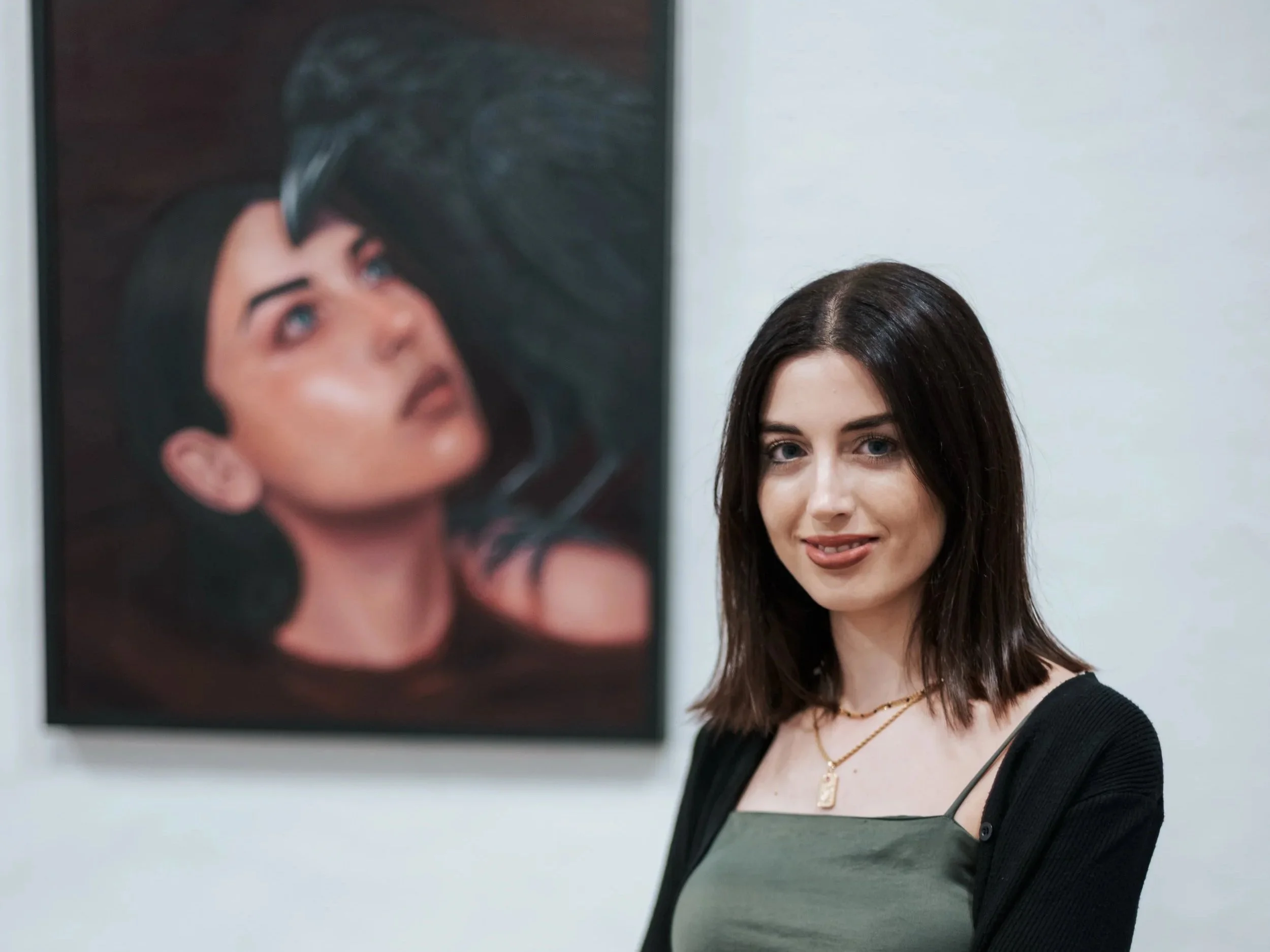
Artist Shanice Farrugia. Photo by Monique Gatt
What does it mean to appear strong when, beneath the surface, we are struggling to make sense of our emotions? In her debut solo exhibition, (UN)EXPRESSED, artist Shanice Farrugia explores the feelings we often learn to suppress, from sadness and fear to the uncertainty of loss. Through intimate self-portraits, she draws on personal experiences to examine vulnerability, emotional restraint and the unspoken truths we carry within ourselves.
Why did you pick this theme for your work? What inspired the decision?
It comes from my own experiences and a growing interest in how we learn to express, or suppress, our emotions. I believe our upbringing, surroundings and personal experiences play an important role in shaping how we respond to difficult feelings.
Some people grow up feeling comfortable expressing both happiness and sadness, while others learn to keep the more difficult emotions to themselves. I've often fallen into the latter.
Like many people, growing up, I gradually developed the understanding that being strong often meant putting difficult emotions aside and carrying on. Over time, and particularly through experiences of uncertainty and fear within my family, I began questioning that understanding of strength.
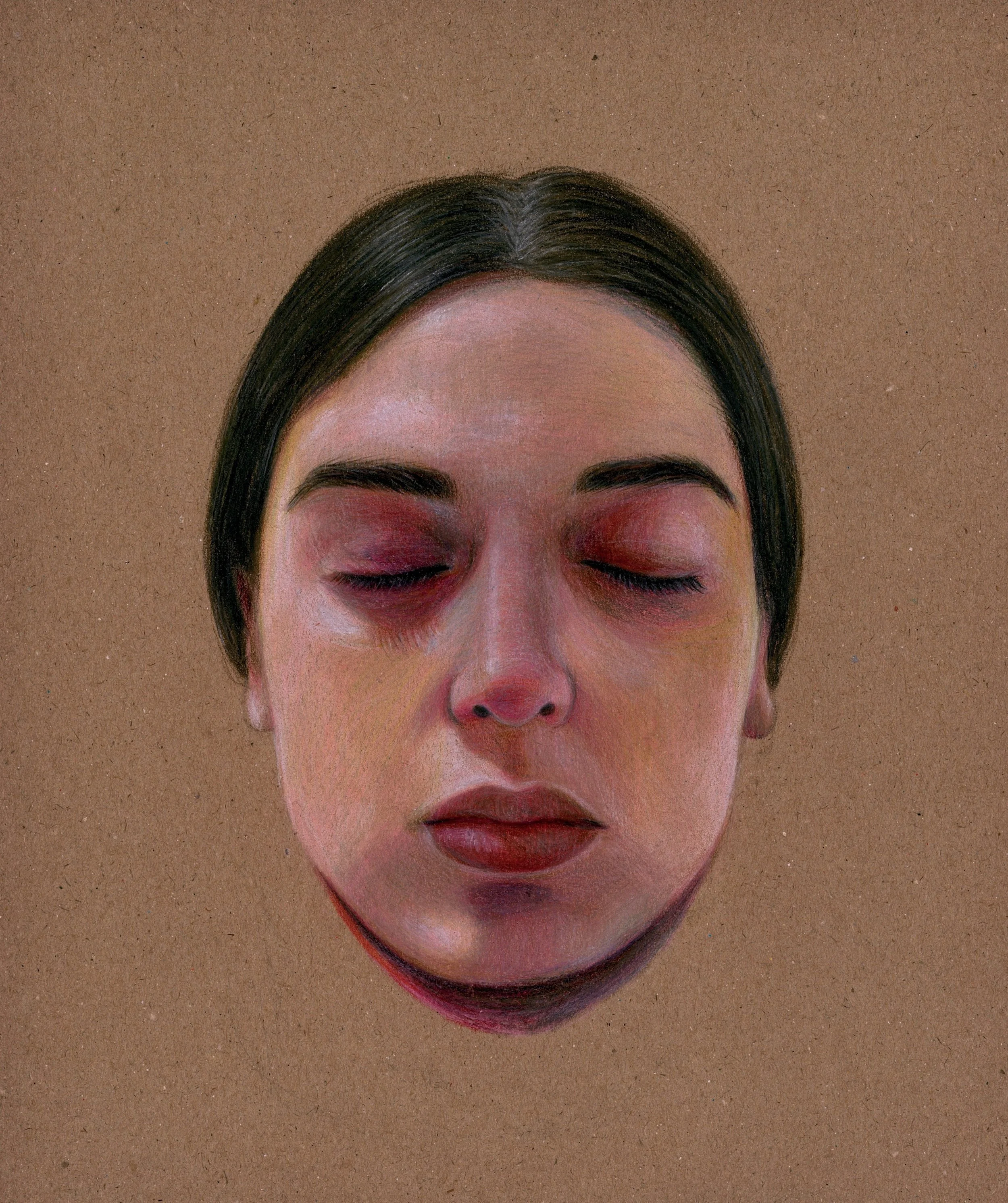
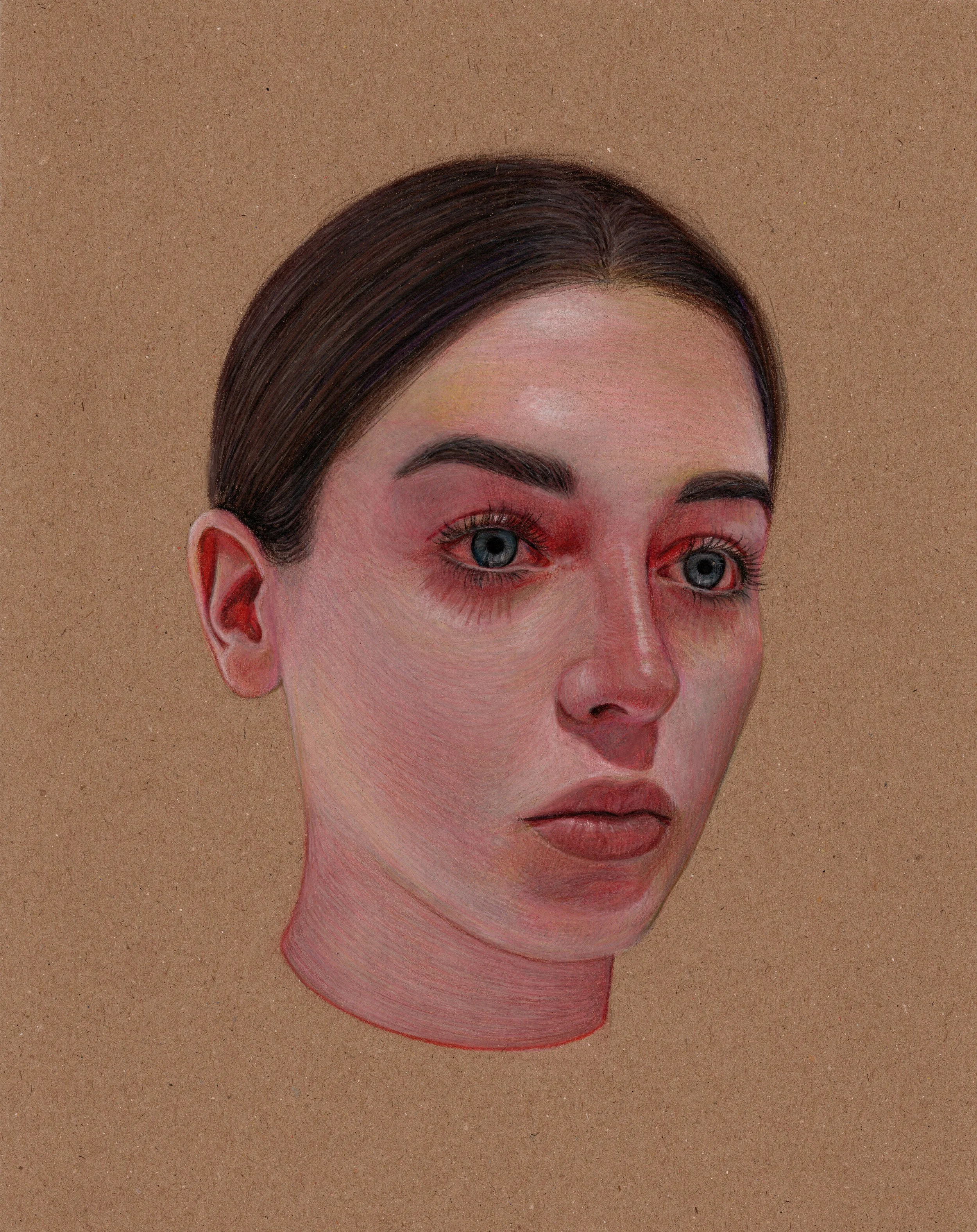
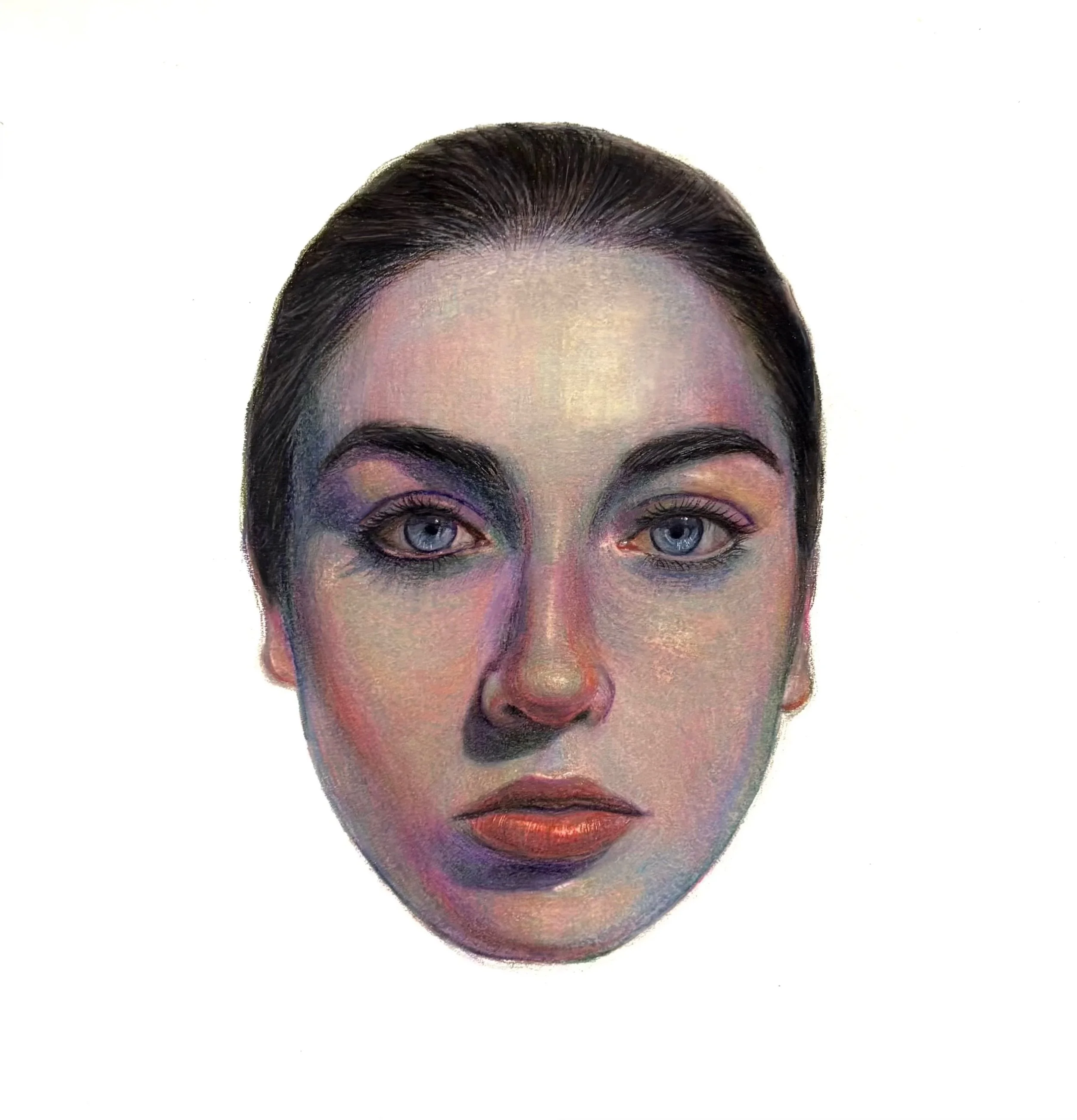
Self-portraiture has always been important to my practice, but over the past two years it became much more personal. Rather than simply capturing a physical likeness, I became interested in using my own image to explore what I was experiencing internally.
That's where my debut solo exhibition, (UN)EXPRESSED, began to take shape. Through these works, I started asking myself: what happens to the emotions we learn not to show, and how much can we carry internally while appearing composed on the outside?
Was there an ‘aha’ moment when you felt that these feelings should be captured? If so, can you share?
There wasn't one particular 'aha' moment. It was a gradual process. I first began exploring more difficult emotions through self-portraiture during the COVID-19 pandemic, a period of isolation, uncertainty and fear for so many of us.
“Like many people, growing up, I gradually developed the understanding that being strong often meant putting difficult emotions aside and carrying on. Over time, and particularly through experiences of uncertainty and fear within my family, I began questioning that understanding of strength.”
News of my father's long-term illness added a further sense of concern, particularly because he was more vulnerable. It made me more aware of how differently people experience and cope with difficult situations.
I never consciously decided to make vulnerability a central part of my work. I simply kept returning to self-portraiture and gradually realised that my drawings were communicating things I wasn't saying aloud.
Visually, the flushed skin tones and cropped faces became ways of exploring these feelings. The warm tones of kraft paper and the deep burgundy backgrounds contribute to the intimacy of the works. For me, the burgundy recalls flesh and bruising, reinforcing the vulnerability of the portraits. I'm interested in how these visual elements can suggest an emotional state without necessarily revealing everything.
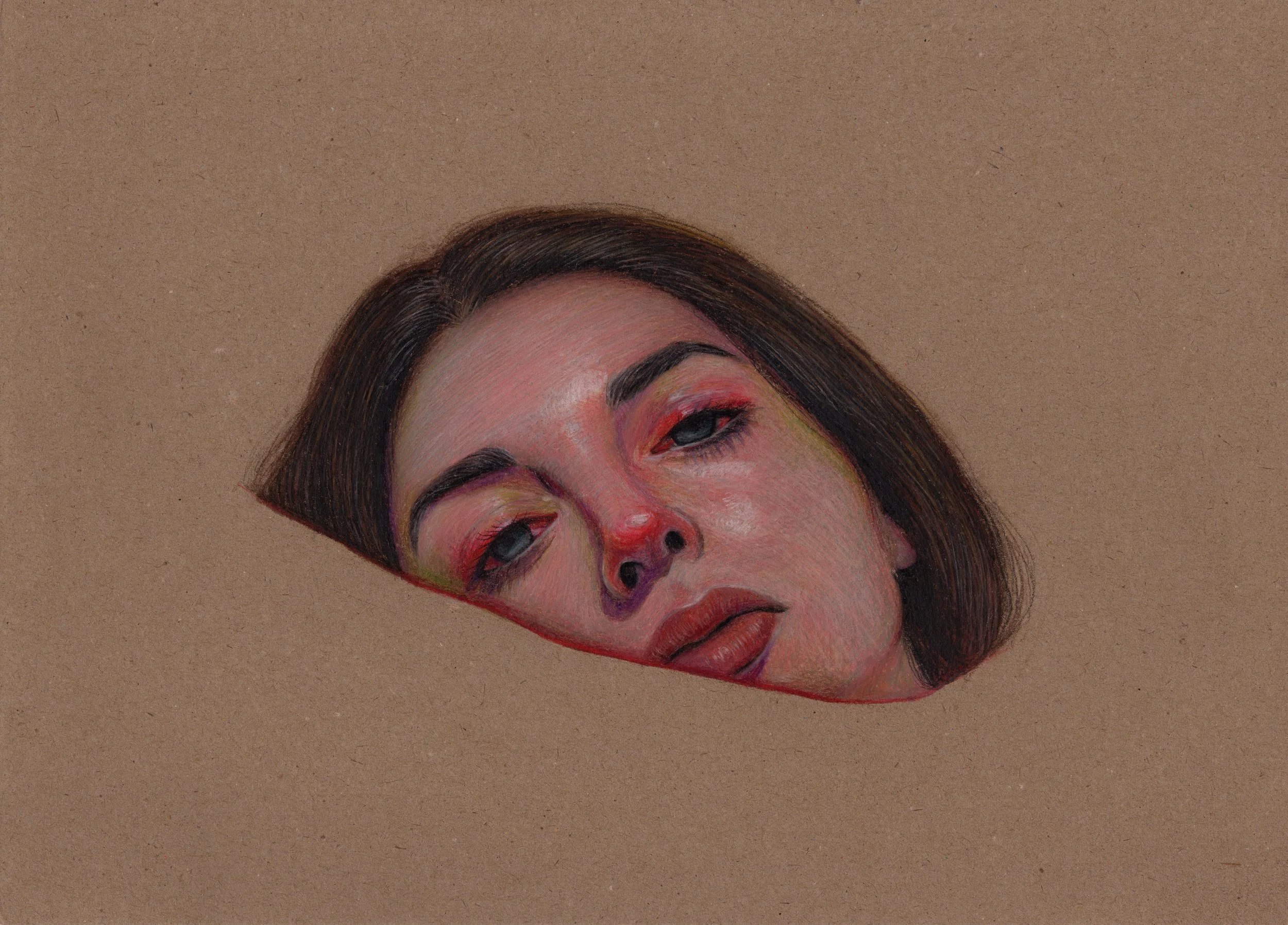
As I began sharing these works, I noticed that people responded to them in quite personal ways. Some recognised emotions they had experienced themselves, even when the circumstances behind them were different from mine. That encouraged me to continue exploring this direction.
Creating these works has also helped me become more comfortable talking about my sadness. Sometimes, it was only after completing an artwork that I could properly explain what had inspired it. In a way, I began expressing myself through art before I could articulate those feelings in words.
Why do you feel it is important to capture and share these emotions?
Because so many of us experience difficult emotions, yet we don't always feel comfortable talking about them openly. We're often encouraged to present the happiest versions of ourselves, particularly on social media.
We share our achievements, celebrations and good moments, but not necessarily the sadness, fear or uncertainty that exists alongside them. There's nothing wrong with sharing happiness, but difficult emotions are a natural part of life too.
One of the emotions explored in (UN)EXPRESSED is anticipatory grief, which I've experienced through illness in the family.
It's the fear and sadness of potentially losing someone you love while they're still here. You're grateful for the time you have together, but you also live with an awareness of how uncertain life can be, somewhere between hope and fear.
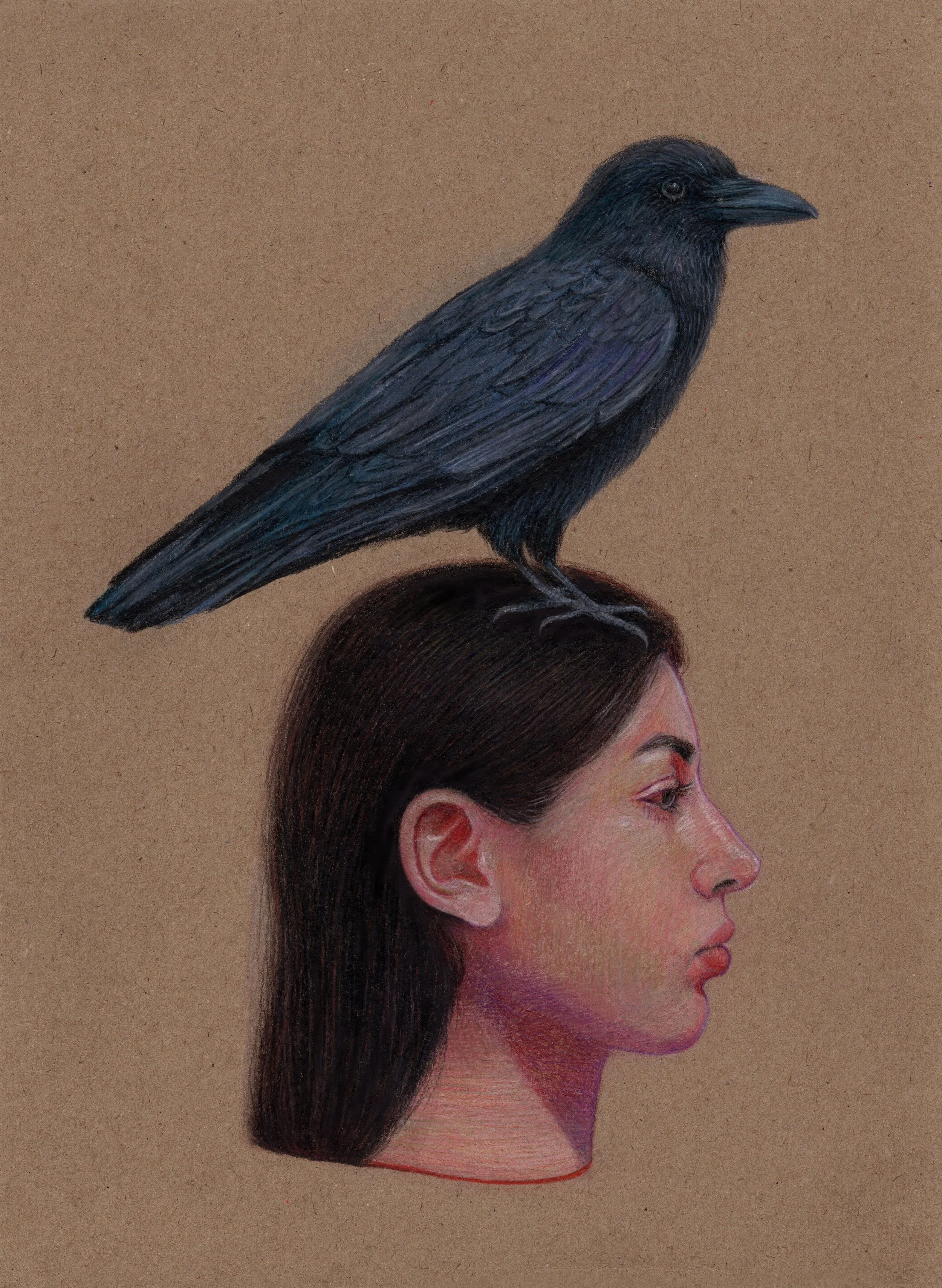
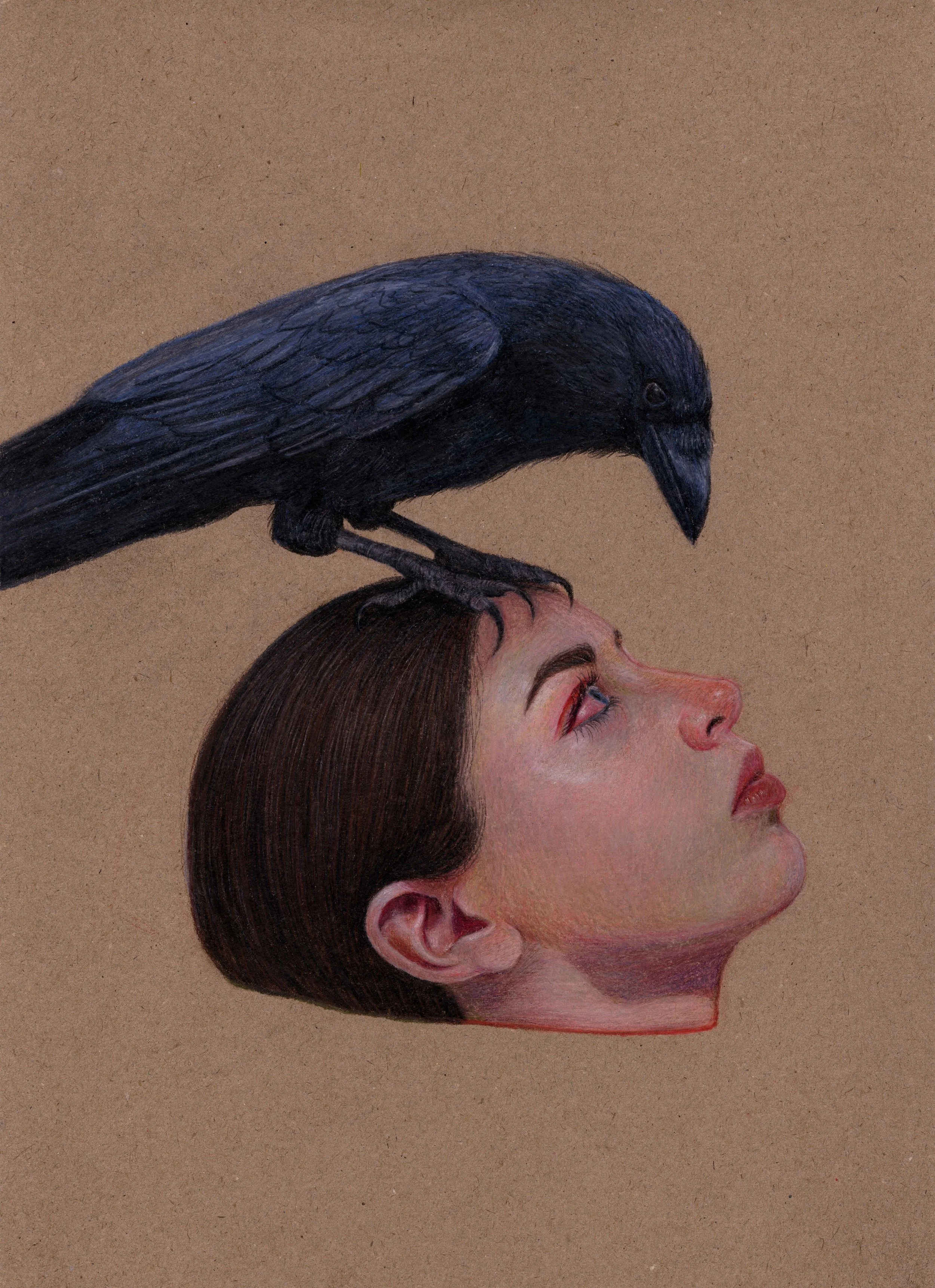
Having also experienced the unexpected loss of people close to me, I've become more conscious of how unpredictable life is, and of the importance of appreciating the people we love while they're still with us.
I gave form to this fear through the recurring raven. Traditionally associated with death, it represents my fear of loss and the uncertainty of living with that possibility. By bringing it into my self-portraits, I'm acknowledging something I might otherwise struggle to confront.
Although these works come from my own experiences, I hope someone looking at one of my self-portraits might recognise something of themselves in it, even if their circumstances are completely different. We might not share the same experiences, but we can often relate to the emotions behind them.
What is your key message?
Making this exhibition has made me realise how easily we become accustomed to carrying difficult emotions while continuing with everyday life. We don't always give ourselves the time or space to acknowledge how we're feeling. In the works, that emotional restraint takes on a physical presence through tired eyes, flushed skin, tension and stillness.
Creating these self-portraits has given me the space to reflect on feelings and experiences that aren't always easy to understand. My process, working in graphite, coloured pencil, acrylics, and oils, is slow and detailed, and I've come to appreciate the time it gives me to sit with those thoughts.
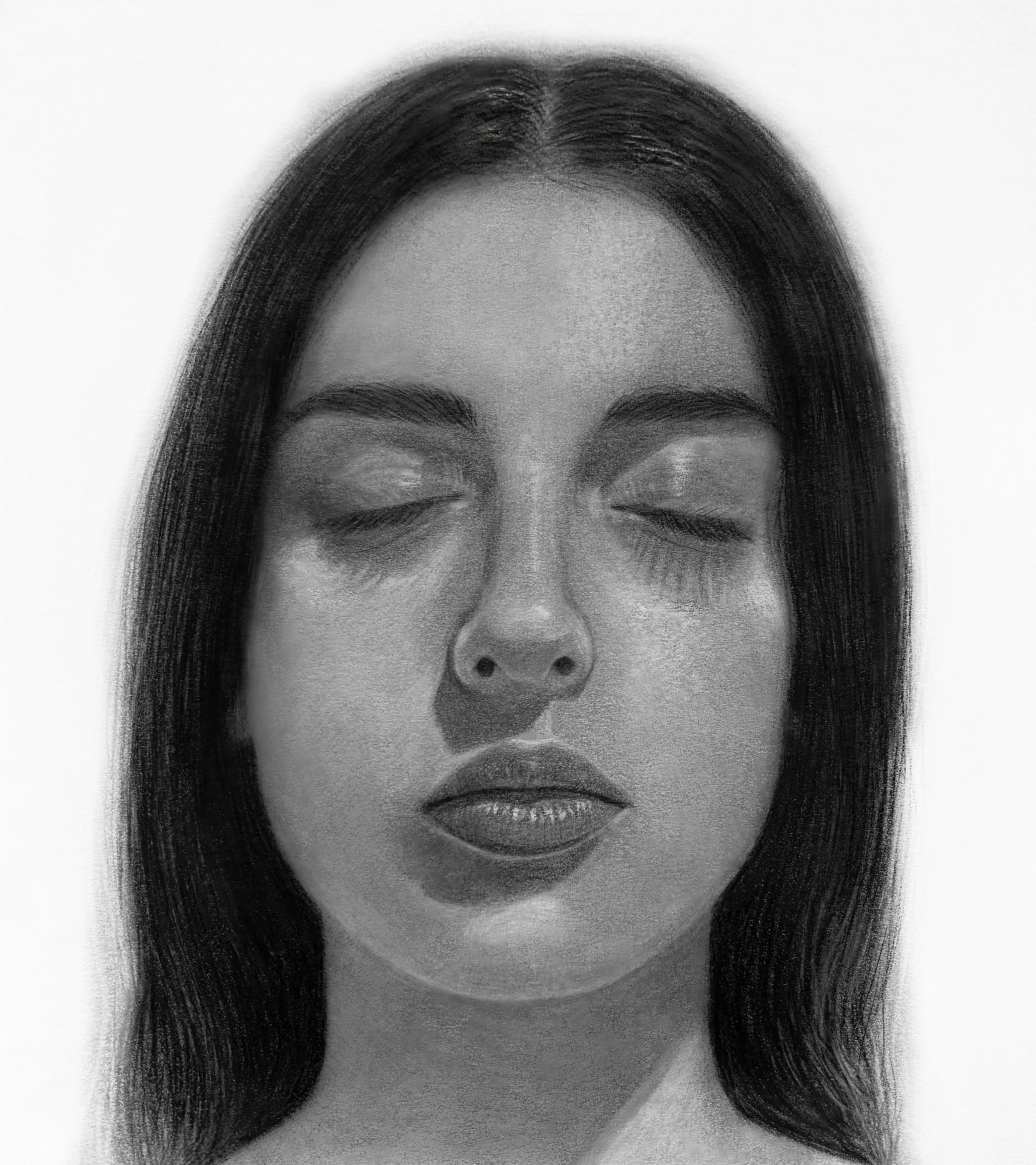
“I think we sometimes place so much importance on appearing composed that we forget the value of acknowledging when things aren't okay.”
Ultimately, I see (UN)EXPRESSED as an exhibition about vulnerability and quiet endurance. I think we sometimes place so much importance on appearing composed that we forget the value of acknowledging when things aren't okay.
Since the exhibition opened, I've already had some very honest conversations with visitors who felt comfortable sharing their own feelings and experiences. These exchanges have meant a great deal to me. They've also reminded me that, although our circumstances may differ, many of the emotions we experience are shared. I hope the exhibition continues to encourage conversations that people might otherwise have kept to themselves.
(UN)EXPRESSED runs until November 8, 2026 at Il-Kamra ta’ Fuq.
What do you think?
Is there a woman-related subject you feel needs to be ‘unclouded’, spoken about, or explained? Is there something you feel passionately about? If so, share your views… or share your story - to inspire and help other women.
Woman Unclouded believes that by sharing - stories, experiences and expertise - women can inspire one another - to take the leap, or to simply make sense of things.
All you have to do is drop us an email at hello@womanunclouded.com