
The spark behind the lens: How photographer Chloe Cachia found her path
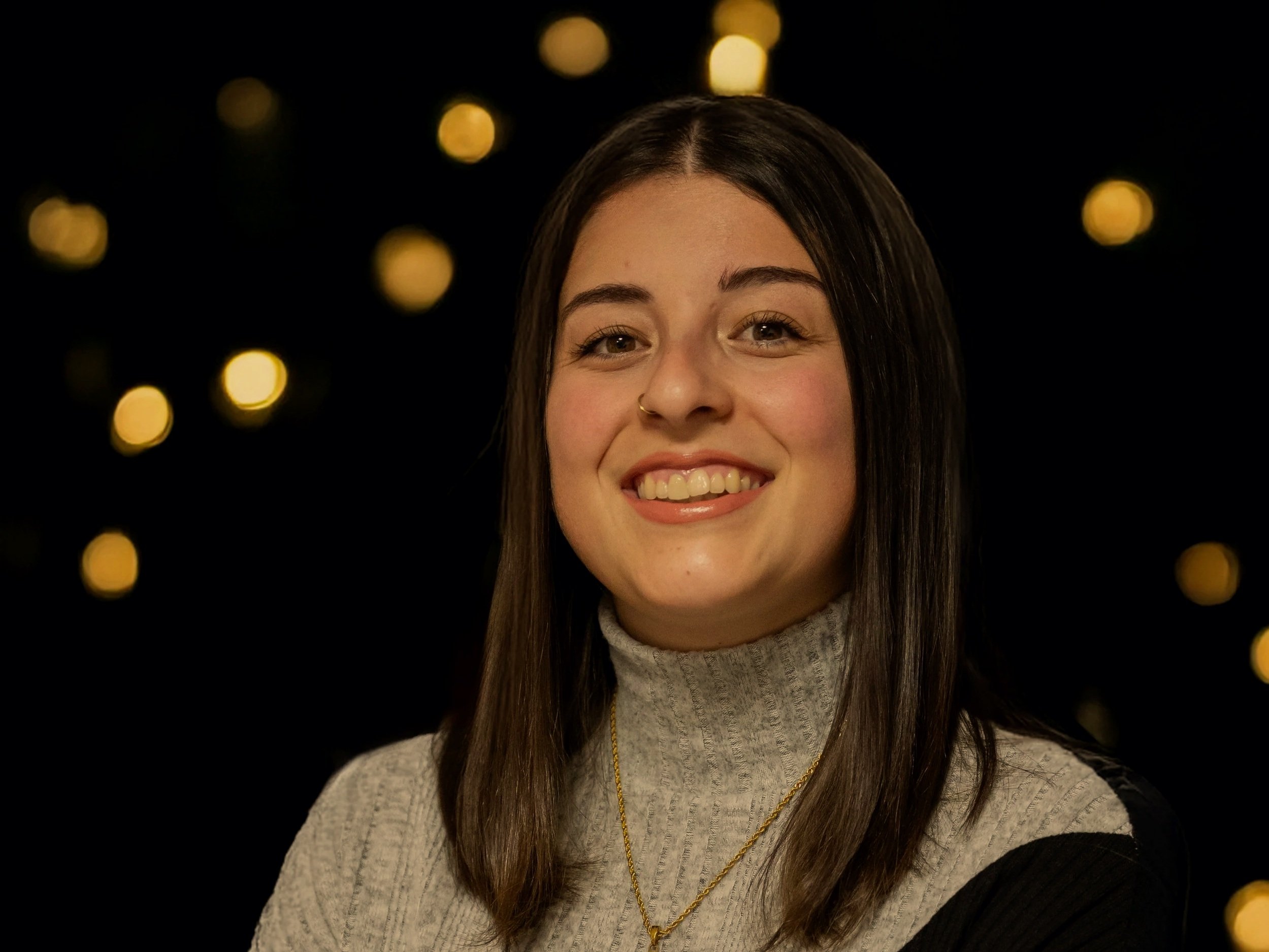
Chloe Cachia
For many, the path from a childhood hobby to a real career is anything but straightforward. There are doubts, detours, and a few unexpected turning points along the way. For Chloe Cachia, co-founder of Blur Studios, it all began with a borrowed camera and a curiosity she just couldn’t shake. Her story is a gentle reminder that sometimes the best careers don’t come from detailed plans - they come from following that tiny spark of passion and seeing where it leads.
Where did the photography bug come from?
My parents always encouraged me to be creative. From a young age, my dad always had a camera, and I used to steal it and use it on my own. I think from around age seven, I remember using a little digital camera with the pop-out lens. That started it basically.
For my 14th birthday, I asked my parents for either a camera or a phone with a good camera. They got me a phone with a good camera. Eventually, when I finished Form 5, I got a student job and, with one of my first wages, I bought a proper camera. It was a priority for me.
I used to love seeing the photos I took on a digital screen rather than a phone. We used to put them on our TV back then – put the SD card in the TV and stay seeing the photos.
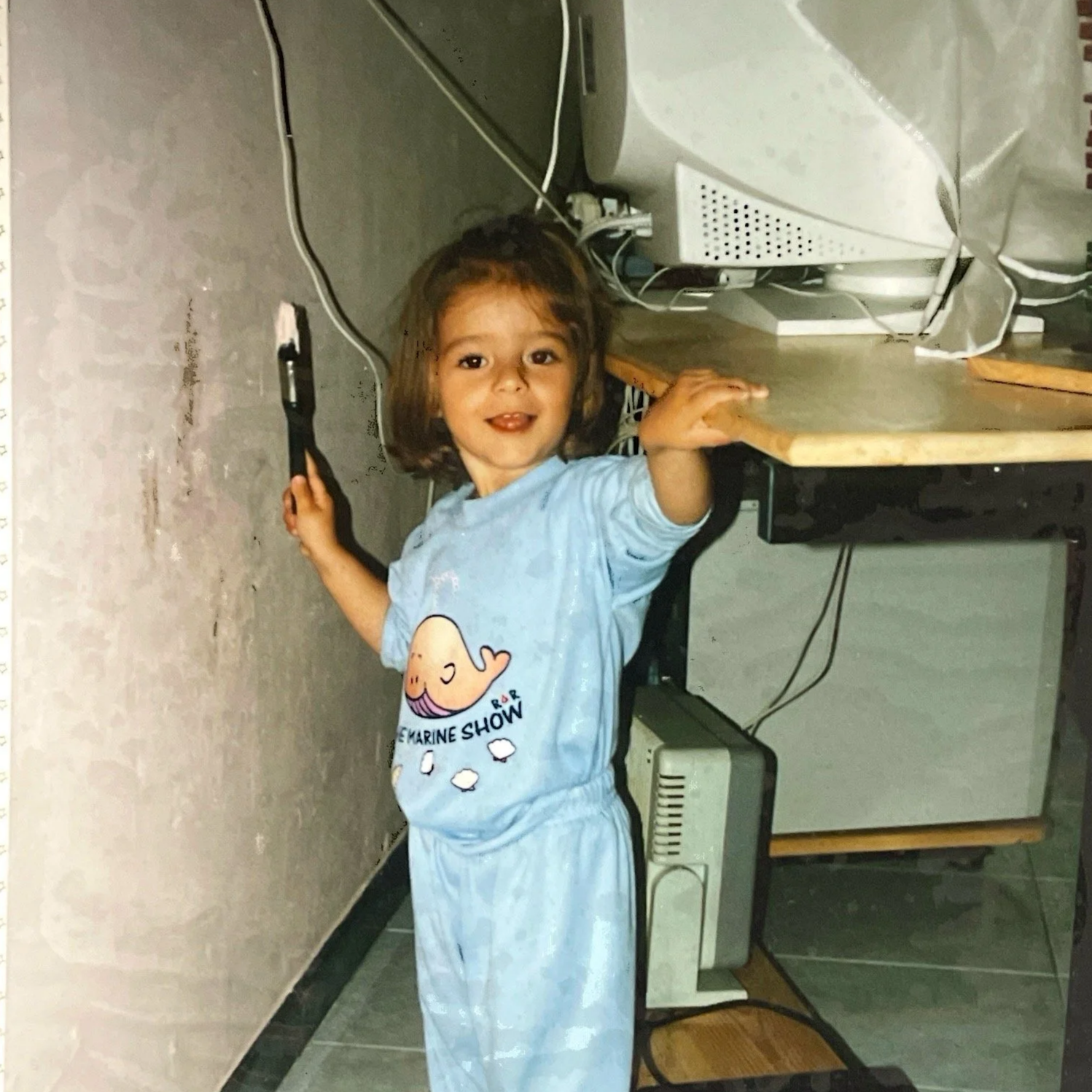
“My parents always encouraged me to be creative. From a young age, my dad always had a camera, and I used to steal it and use it on my own.”
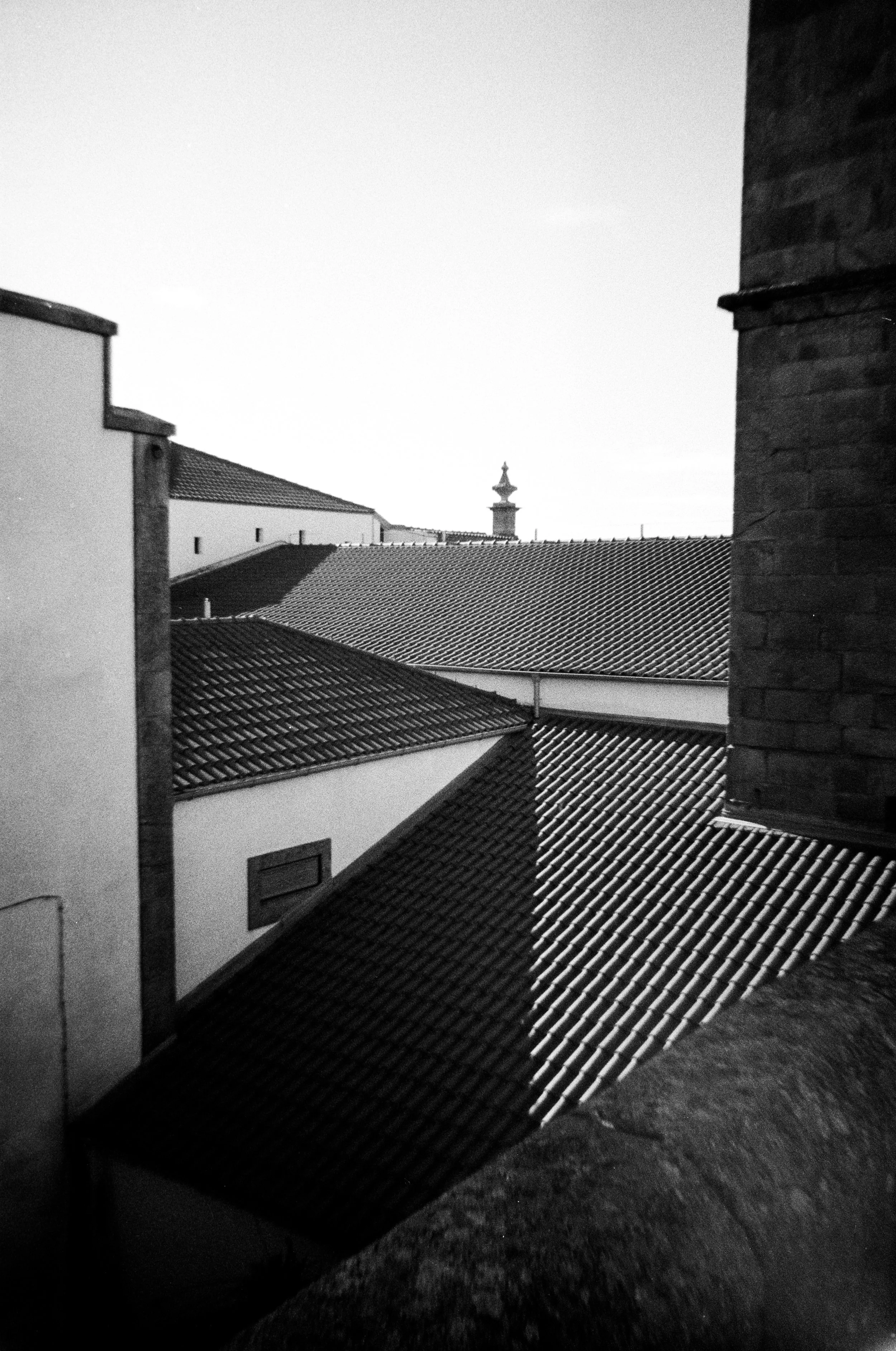
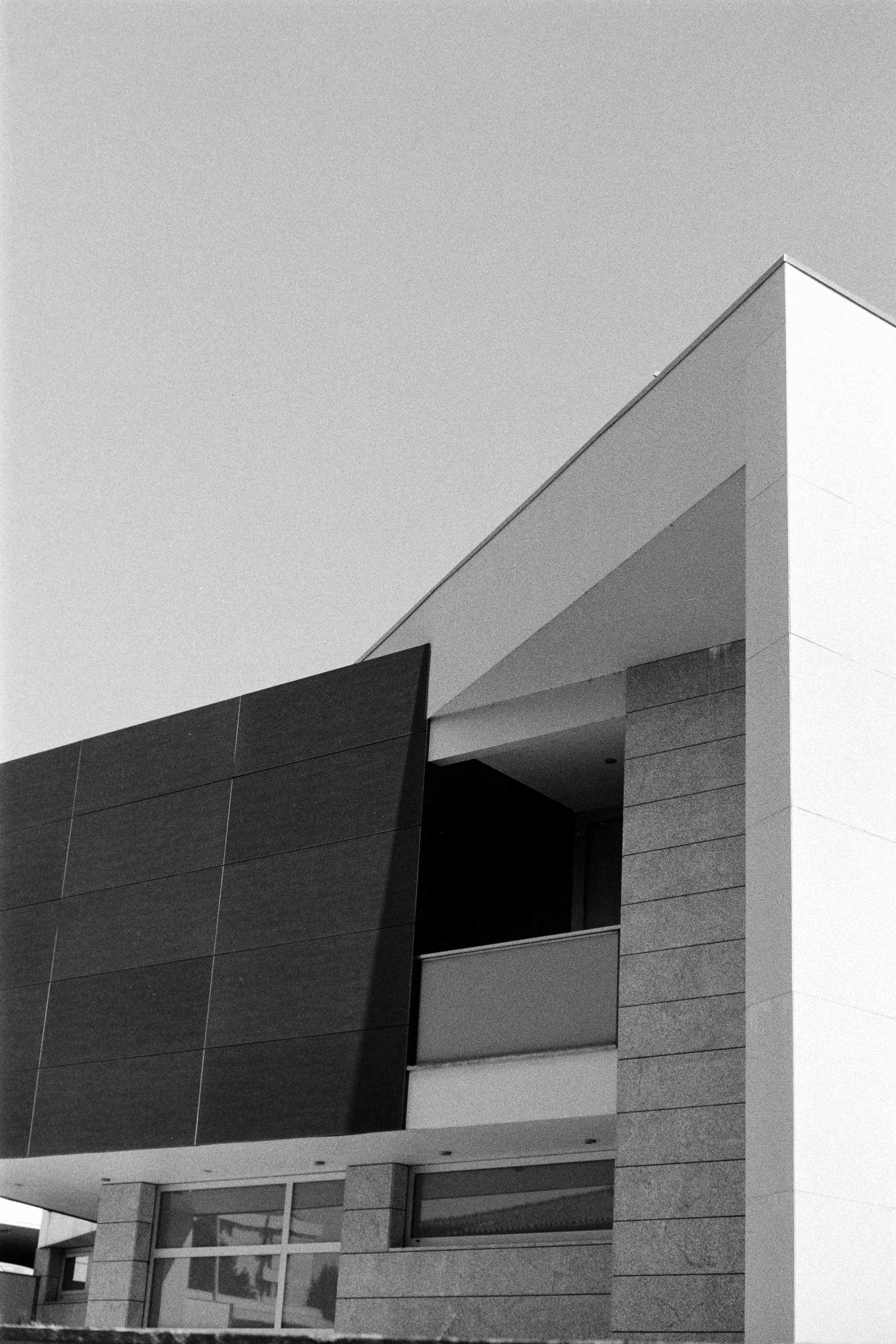
I started experimenting. I loved capturing moments. I also really loved photographing buildings - architectural photography - which I still love today. At that point I didn’t think about it as a career. I just continued with school and my normal studies and started Junior College.
What subjects did you study and what field were you considering?
A totally different field. When I entered Junior College, I aimed to become a physio because I wasn’t sure what I wanted yet, but I liked sciences. So physio was the route I was leaning toward. I had Biology and English at A level, and intermediate Physics, Philosophy, and Chemistry - very science-based.
In fact, that’s what caused me to stop college, because I was miserable. I started doing A levels on my own. I took up English, Physics and Psychology. I did them in my own time. I took a gap year and, in that gap year, my spark for photography grew bigger. I’d take my camera everywhere I went. Even at family events. I was the girl with the camera.
What happened next?
Till that point, I never saw photography as an actual career - I saw it as a hobby. But during the time I felt most lost, photography was the clearest thing in my life. My aunt, who sadly passed away, once told me: “Why don’t you take this up as a career?” That was the spark that opened my eyes. If she hadn’t pushed me or suggested it, I don’t think I would have ever thought of it.
That conversation changed everything. After I got my A levels, I applied for an MCAST degree in photography. I was the only one with absolutely no background in photography compared to my classmates who had the diploma level and had a history of photography.
“During the time I felt most lost, photography was the clearest thing in my life.”
When I started my degree, I was lucky enough to find a part-time job with another photographer. She mainly used to photograph school children and new-borns and, at first, I was tasked mostly with editing.
She gave me one of the best experiences I could have had as a beginner. She taught me every step of the way, and I truly believe that without her pushing me, I wouldn’t be where I am today. I was learning at MCAST and then applying it in my actual part-time job. I worked for her for about three years.
How did your first ‘mentor’ influence your path?
Guided by my mentor, I learned not just technique, but how to build my own identity. I still love architectural photography. This is followed by capturing the emotions on the day of the wedding – that brings me joy.
I’m also a firm believer that there is enough business for everyone and I treat other photographers as friends, not as competition.
My mentor really encouraged me. Eventually, she started giving me little side jobs. She pushed me to open my own page. She told me: “This is your chance - if you don’t do it now, you’ll never do it.” So I started with an Instagram page Chloe Cachia Photography.
Eventually, my partner – Jake Calleja – also got into photography, so we opened a page together called C&J Photography. He expanded into video, also. A couple of years ago, we rebranded completely and launched Blur Studios, and that’s the name I’m really happy with.
After I graduated in photography, I went to Erasmus and returned very broke and spent a year and a half working in iGaming. I learnt a lot in terms of dealing with people and customer relations. It was not a job I loved, but good to start off with.
What obstacles did you face, both internal and external?
My family were my biggest supporters. They helped me every step of the way. They ended up being my test subjects for most of my degree assignments and my dad even handmade the frames for my thesis photos because I had a very specific idea in mind. I truly owe them credit for pushing me and believing in me.
“I’m a firm believer that if you never try, you’ll never know. If you don’t put yourself out there, you won’t know what you’re capable of.”
Jake was also by my side every step of the way - when I doubted my degree choices he kept pushing me and, ultimately, he was one of the first people to help me take the step into doing this full-time. It’s great having a partner that shares the same passion and we push one another to be better and learn new things.
But, unlike Jake and my family, a lot of external people were doubtful. They’d say: “Photography is just a hobby, it shouldn’t be a job.”
We faced that a lot, especially when transitioning to full-time. Unfortunately, many creative fields are still frowned upon as real careers. But we kept pushing. At first, we both did photography part-time and Jake left his job three years ago. I followed him a year and a half ago when I left the iGaming job.
How did you find the courage to take the leap into full-time photography?
The breaking point was when several conference organisers asked us to photograph and film their events, and I kept refusing because I was working full-time.
Eventually, I said: “Listen, it’s either I take the leap now, or never.” I didn’t have loans, my car was paid off, I had no debts, and I was living with my family. So if I had to be broke, this was the moment to take that risk.
What was life like after leaping?
The first few months were horrible. I was stressed and I didn’t think I would make it as a full-time photographer. The financial aspect was scary.
Being self-employed isn’t safe - one month can be amazing, the next can be terrible. But once we had the time to take on more opportunities, the business really started to boom. Before, we had to refuse so many things.
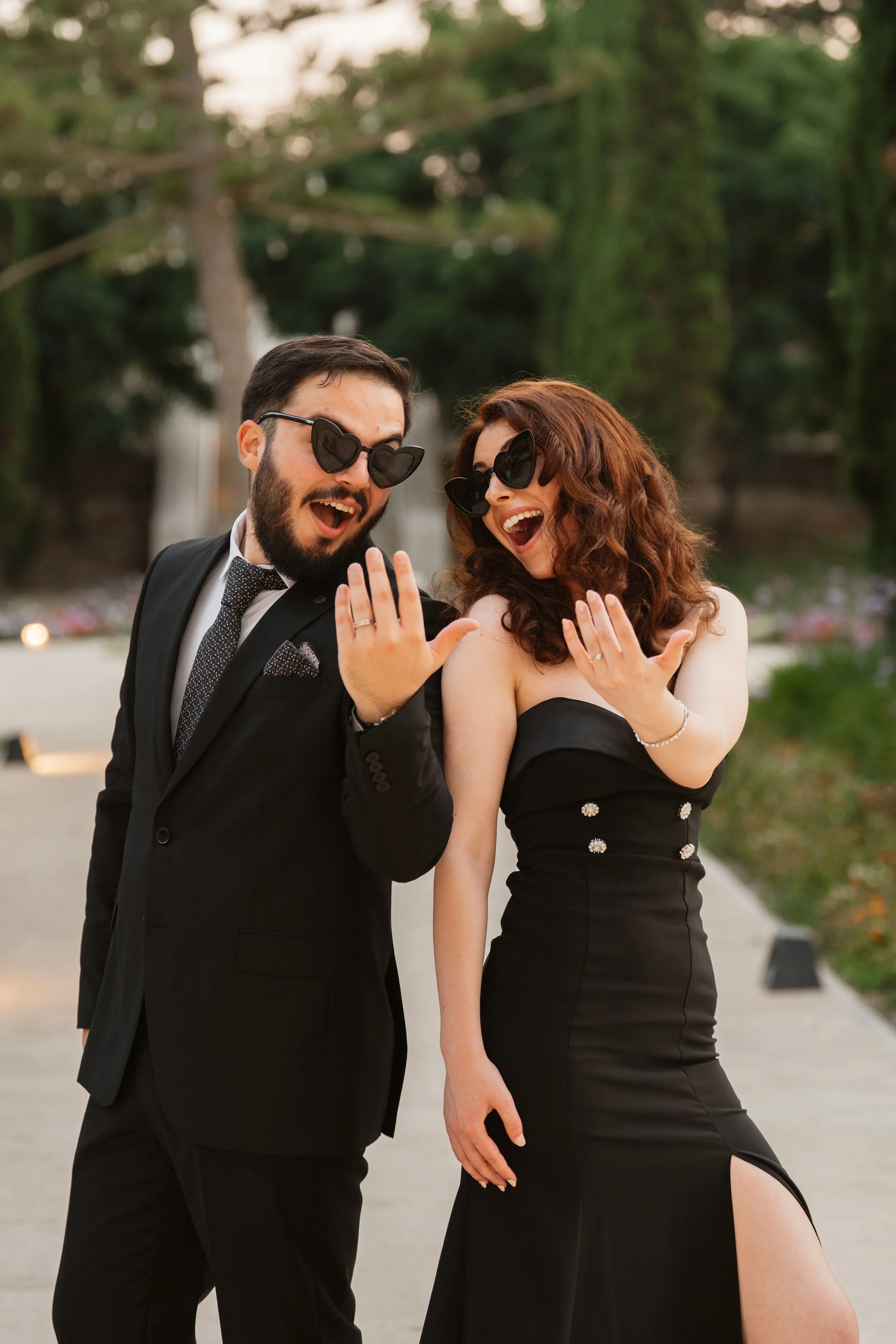
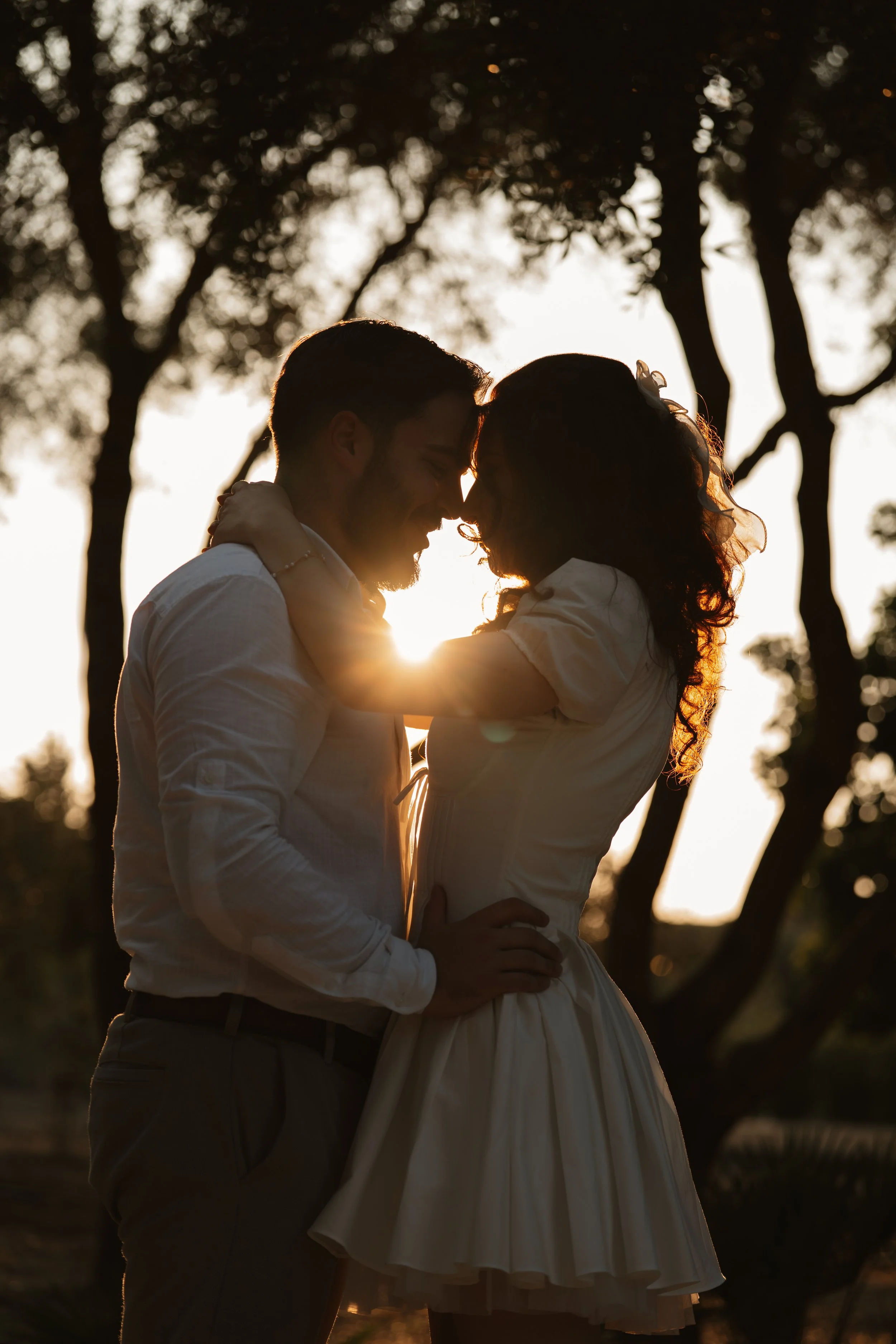
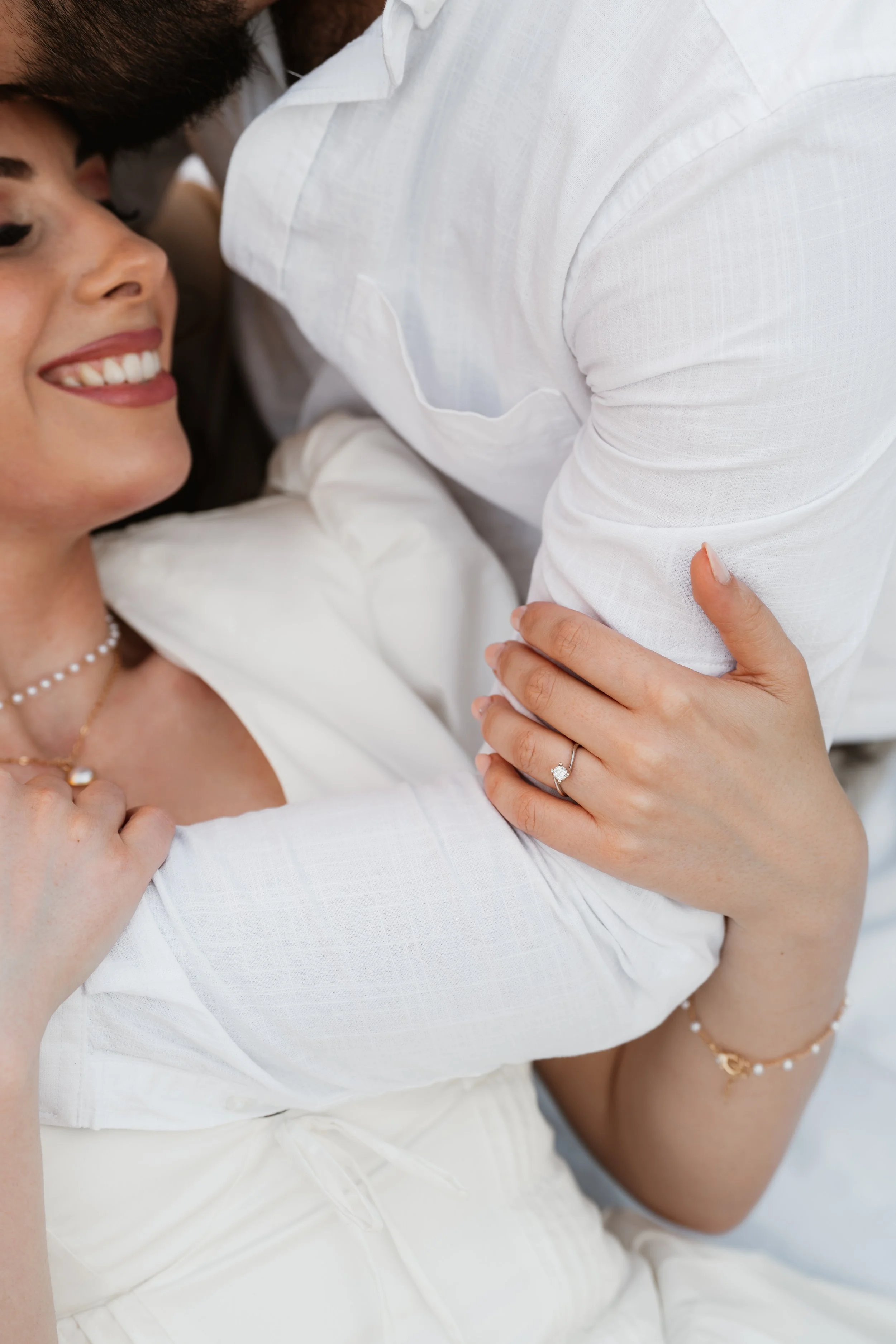
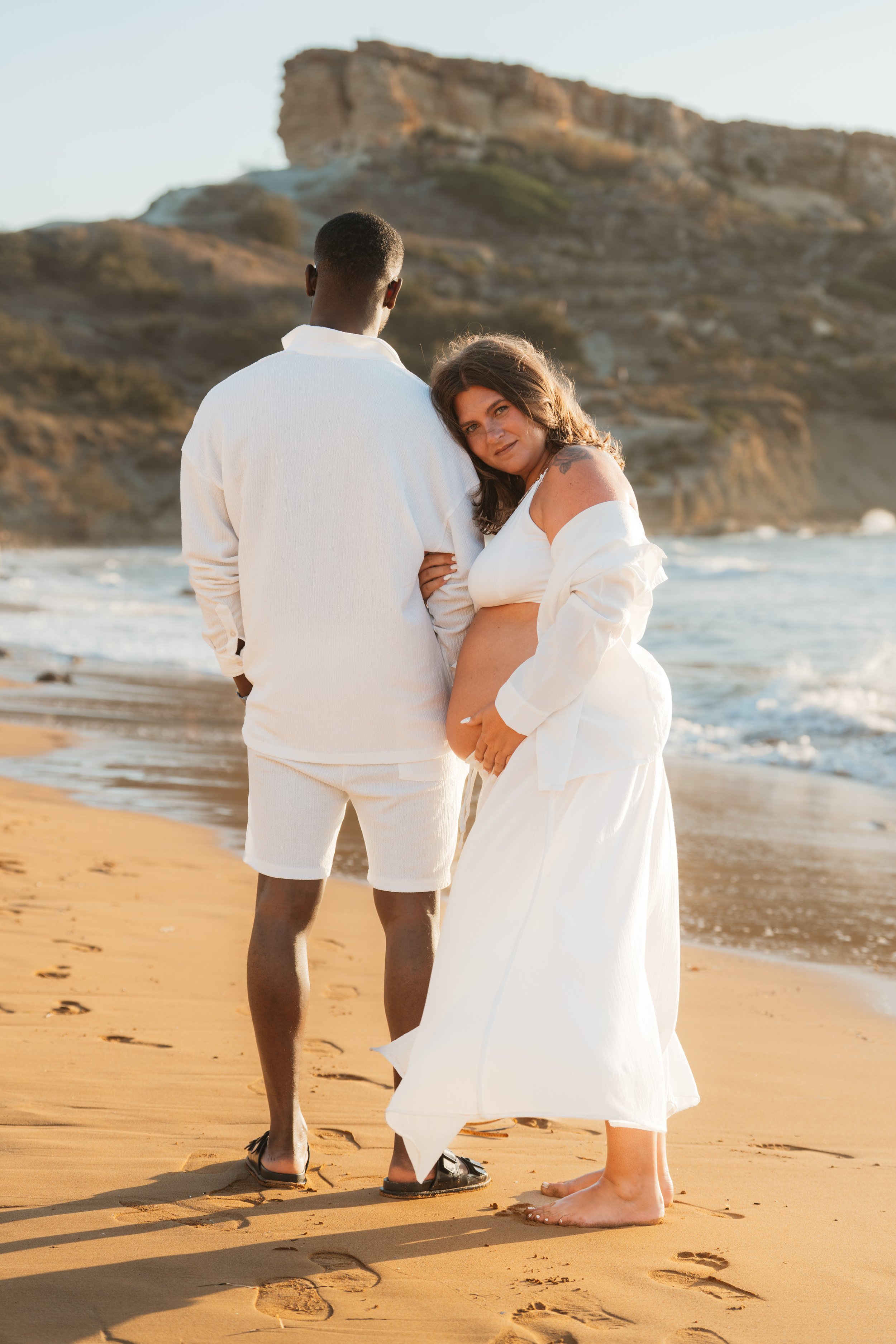
Going full-time gave us space to grow. Chasing people for payment is always part of my job – but now we got to a stage where we can refuse clients who we don’t align with.
As part of my growth, I also try to be visible. I started capturing networking events through a long-term client who was supportive from the very start. He recommended us to a business owner and that opened up one after another. I’m a firm believer that word of mouth is the best advertisement.
What challenges did you face as a self-employed person, especially financially?
Financially, photography is not cheap - to start as a hobby and turn it into a business. The equipment costs money. As a self-employed individual now going through the process of getting a home loan, it’s torture - especially with both of us being self-employed.
Most banks need three years of self-employment, and I’ve only been full-time for a year and a half. Nothing is straightforward. There’s no handbook. There’s no one place that tells you: “Apply for VAT here, apply for tax here.” You have to figure everything out yourself.
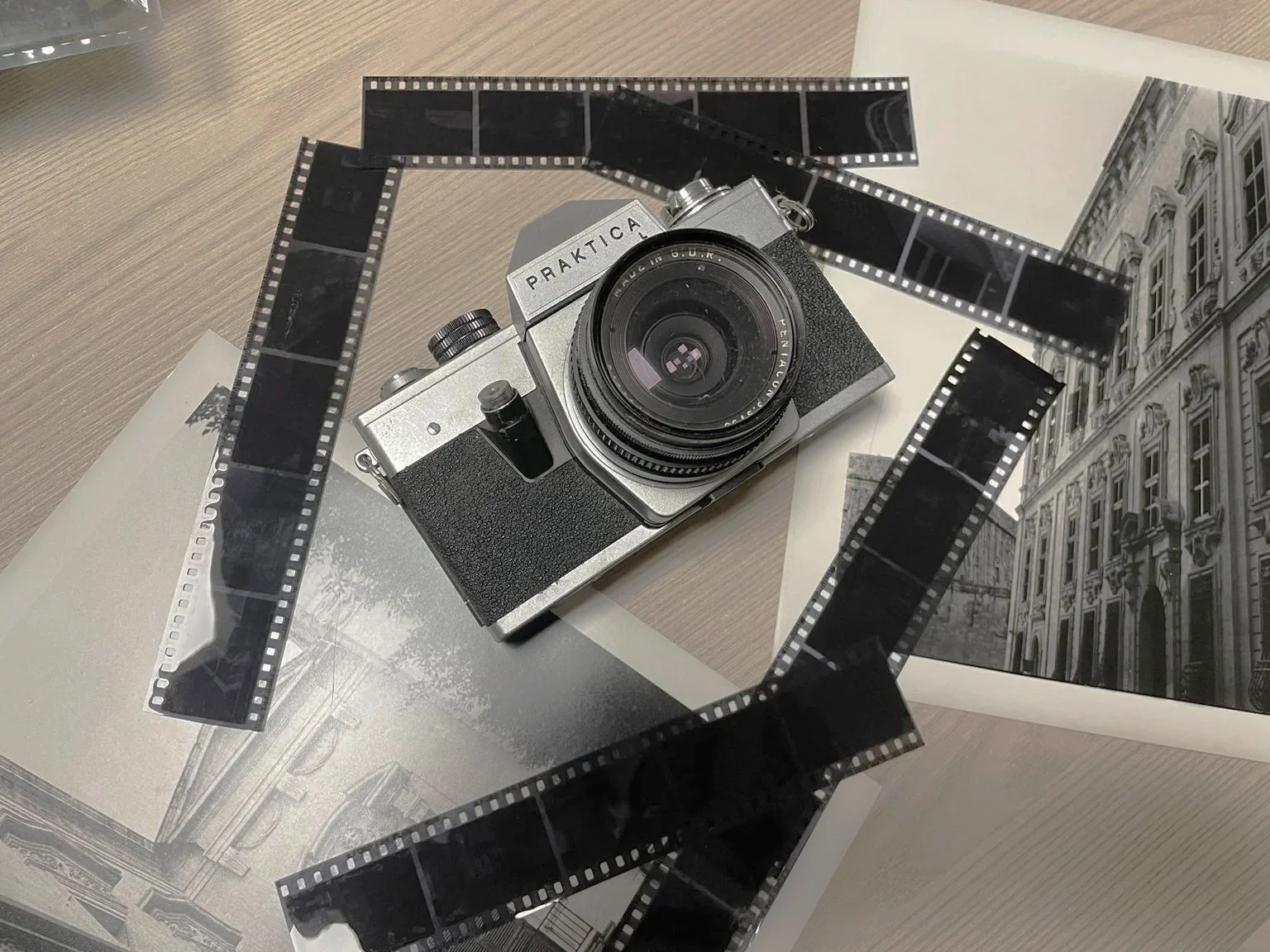
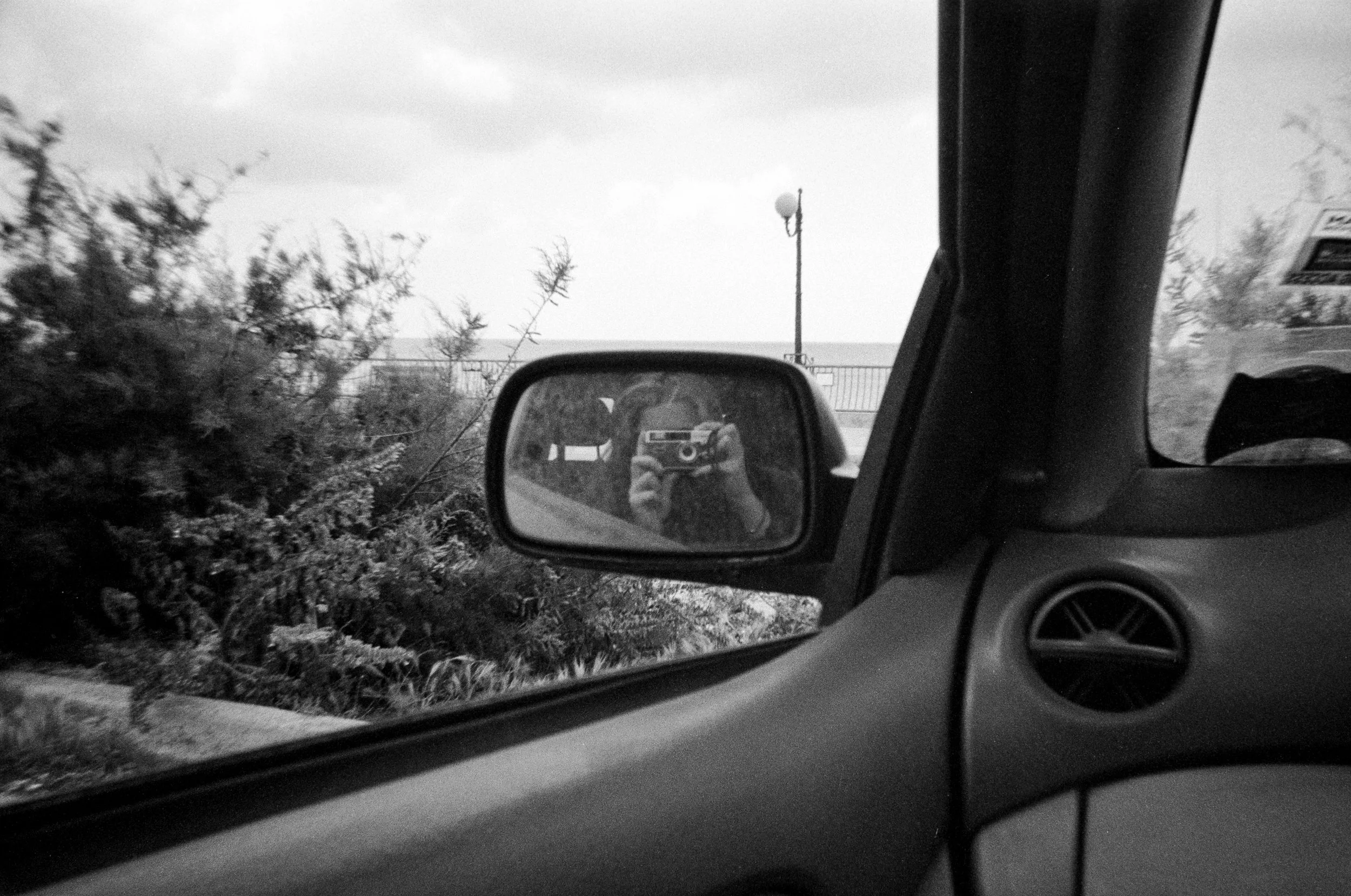
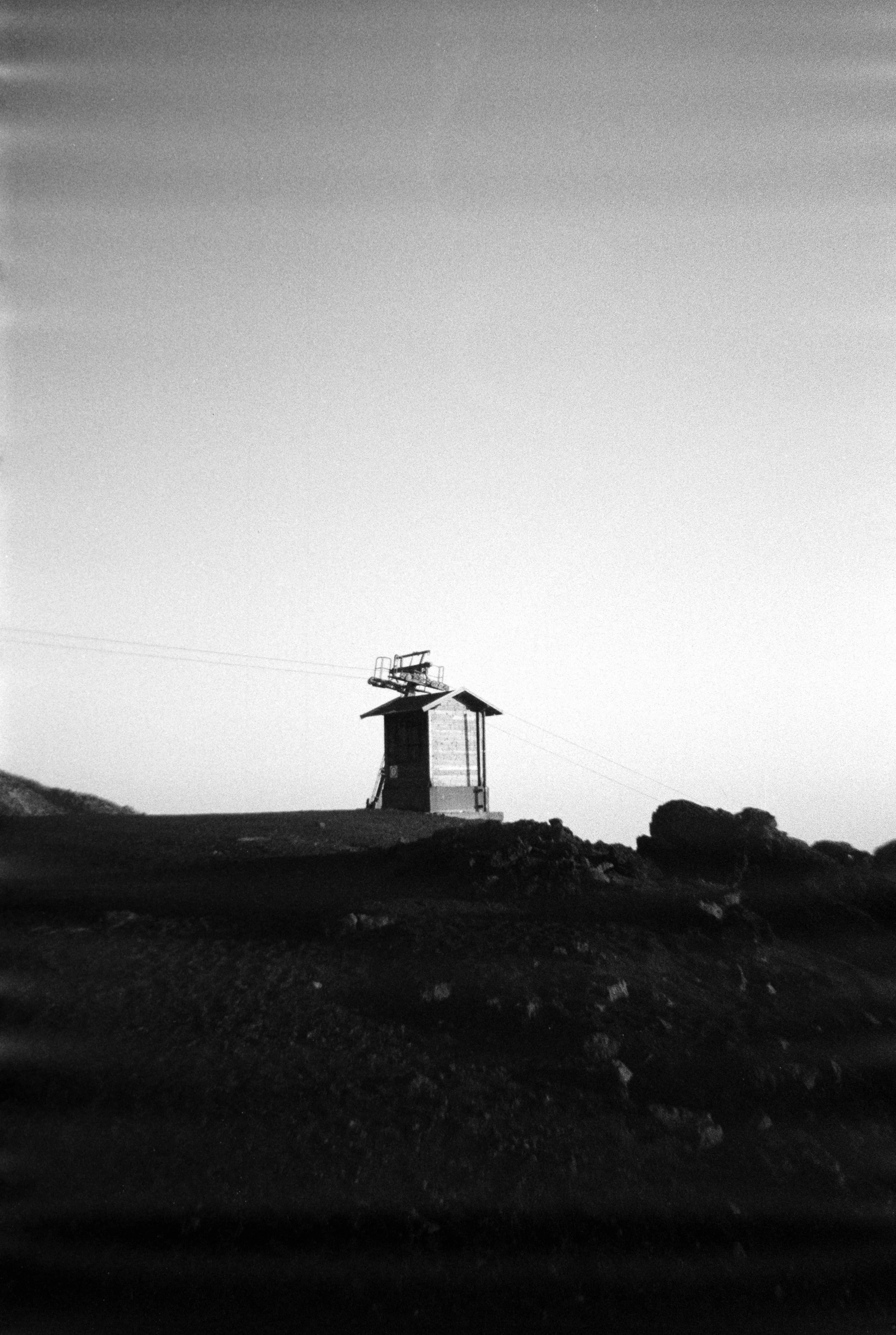
“I’m back to film photography in my free time… The mystery of not knowing what you actually captured – I love it.”
Anything new on the horizon?
I’m back to film photography in my free time – one of the things I started capturing. The mystery of not knowing what you actually captured – I love it.
I recently developed six films I had been hoarding for years – I went to develop them and the joy I got – I was amazed at the authenticity of capturing through film.
Do you have a message for young women who may be doubting themselves?
I’m a firm believer that if you never try, you’ll never know. If you don’t put yourself out there, you won’t know what you’re capable of. When you’re young, it’s important to push boundaries and experiment because you usually have fewer commitments.
If something fails, you can always fall back into another job. That mindset is what helped me take the leap. Worst case, if it failed, I could always find a full-time job again - but at least I’d know I tried.
Share your story
Is there a woman-related subject you feel needs to be ‘unclouded’, spoken about, or explained? Is there something you feel passionately about? If so, share your views… or share your story - to inspire and help other women.
Woman Unclouded believes that by sharing stories, experiences and expertise, women can inspire one another - to take the leap, or to simply make sense of things.
All you have to do is drop us an email at hello@womanunclouded.com